In Depth
Furnace Maintenance and Tune-Up in Edmonton, Explained
Why a tune-up matters more in Edmonton
A furnace in Edmonton starts its season in late September and often runs into May. January daily means sit around -10°C, and most winters bring a cold snap below -30°C, when the furnace runs nearly nonstop for days. The parts that fail on a no-heat call, the igniter, the flame sensor, the pressure switch and its hose, the inducer motor, the blower, the condensate trap, usually give some warning first. A tune-up is the visit where someone looks for that warning while the weather is still mild.
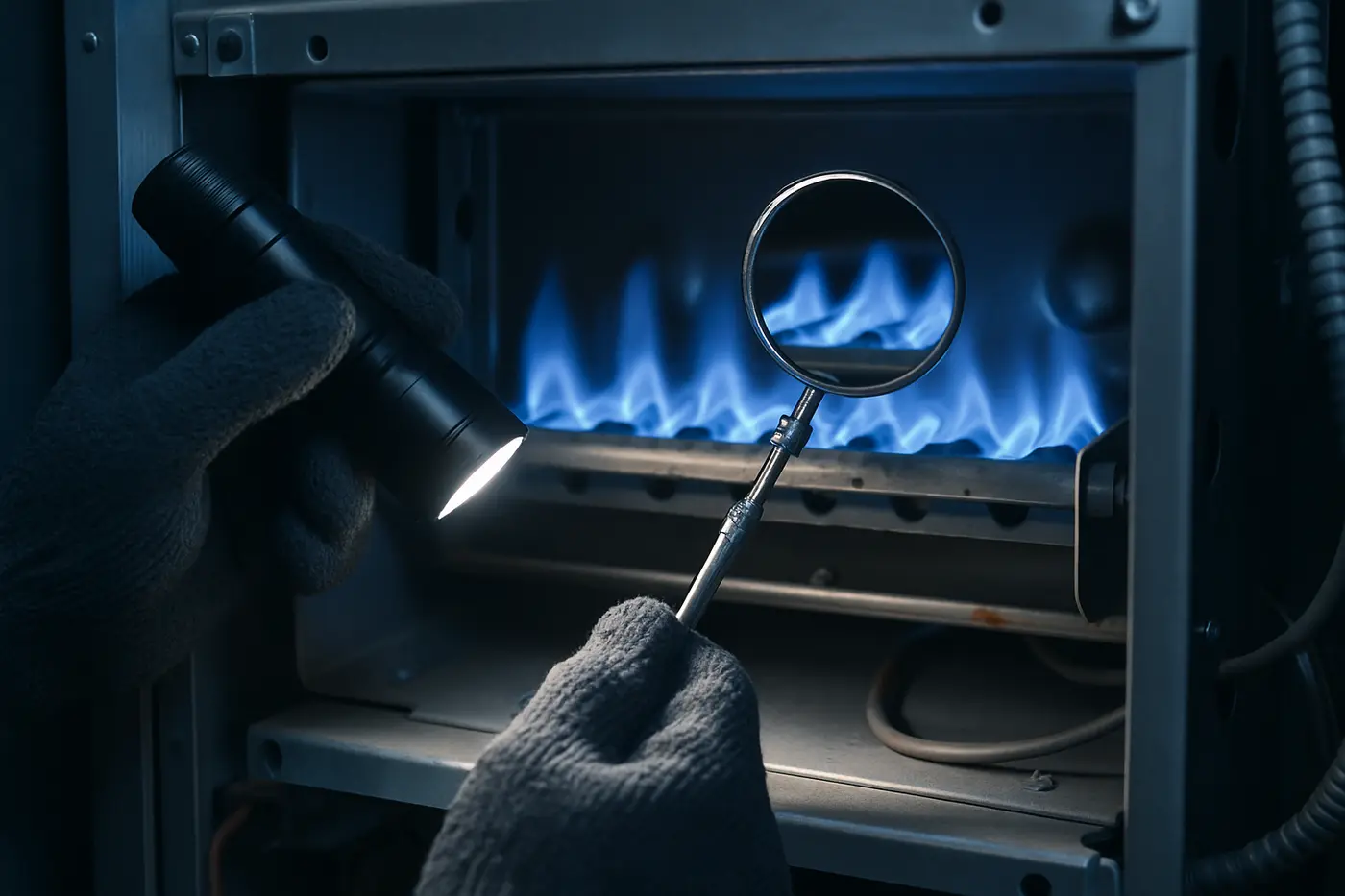
It is also the visit that checks the one thing you cannot see: combustion. A furnace that is burning poorly or venting badly will usually still heat the house. The combustion test and the heat exchanger inspection are what tell you it is doing so safely.
What a real tune-up includes
A furnace tune-up in Edmonton should cover the following. If a visit is a filter change, a vacuum and a sticker on the door, it is not maintenance.
| Check | What is done | What it catches |
|---|---|---|
| Combustion test | Analyzer in the flue, CO and combustion readings recorded, gas pressure checked | Poor burning, venting problems, CO |
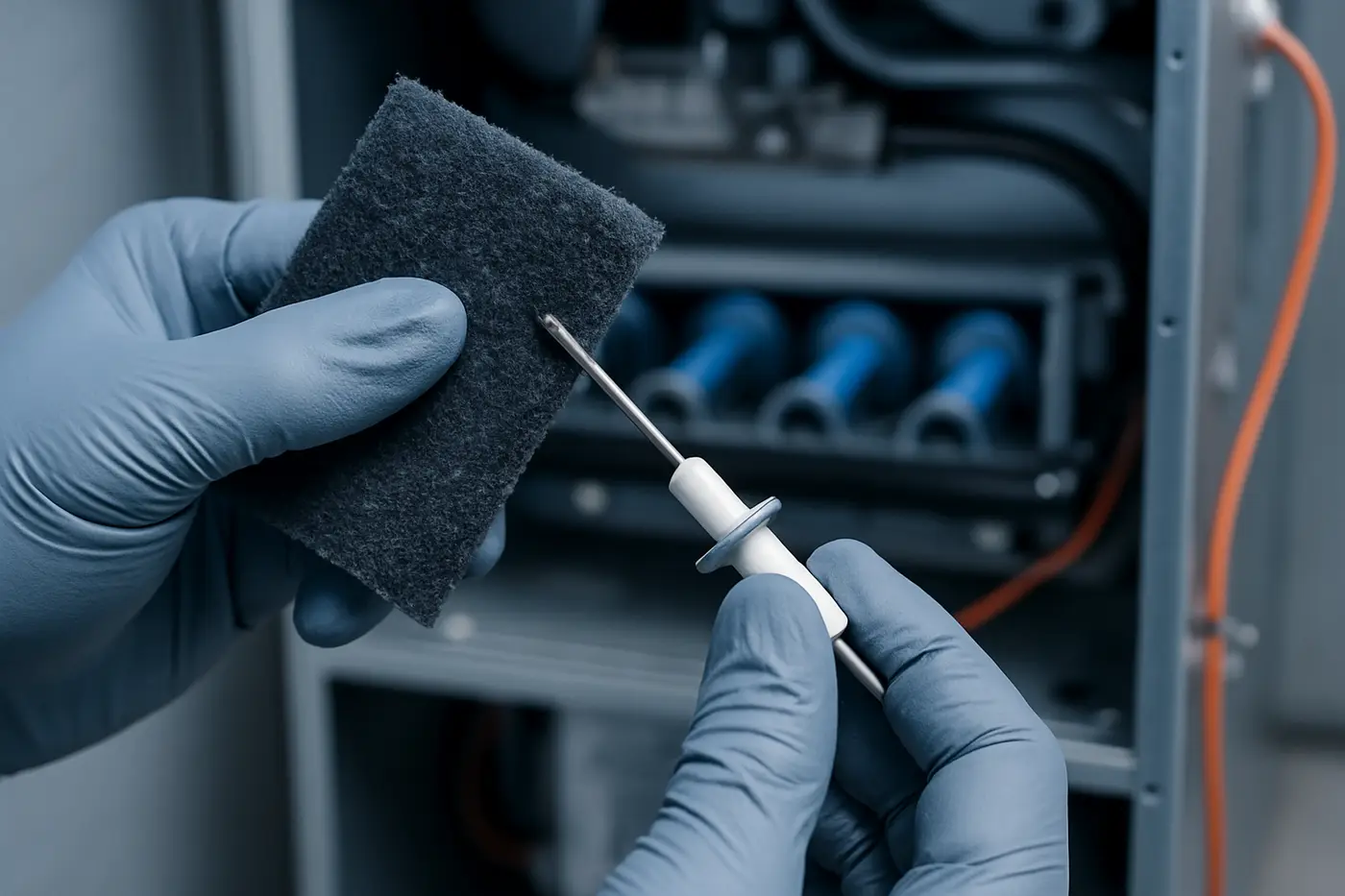
| Flame sensor | Cleaned | The furnace that lights and shuts off after a few seconds |
| Hot surface igniter | Inspected for cracks, resistance checked | The igniter about to fail on a cold start |
| Pressure switch and hose | Switch tested, hose checked for cracks and water | Nuisance shutdowns in a cold snap |
| Inducer motor | Run, listened to, bearings checked | The loud start that becomes a no-start |
| Condensate trap and line | Trap cleaned and refilled, line checked for kinks and cold-wall runs | Frozen or plugged drains in January |
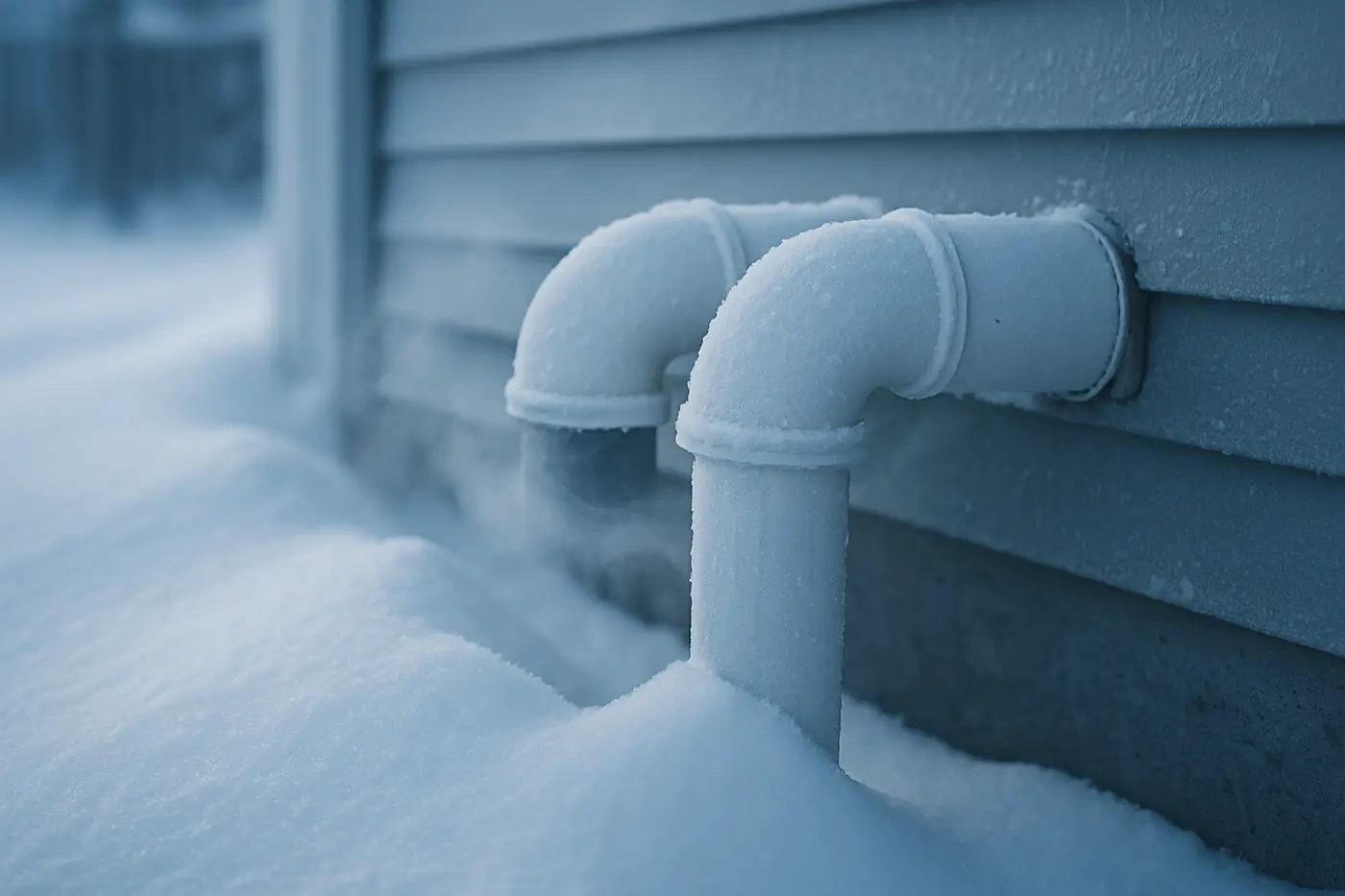
| Vent terminations | Intake and exhaust checked outside for damage, clearance and nests | Blocked or frosted vents |
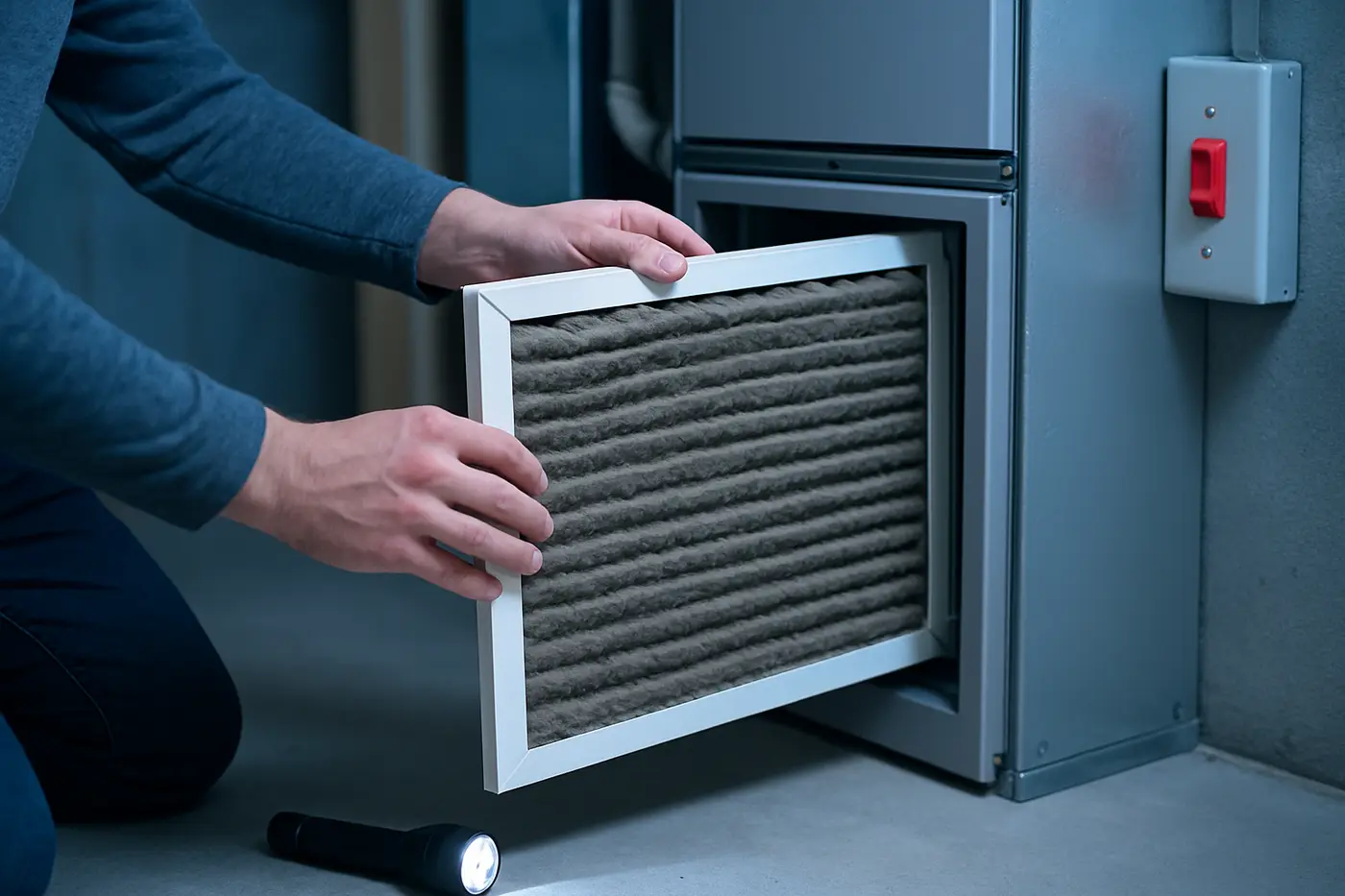
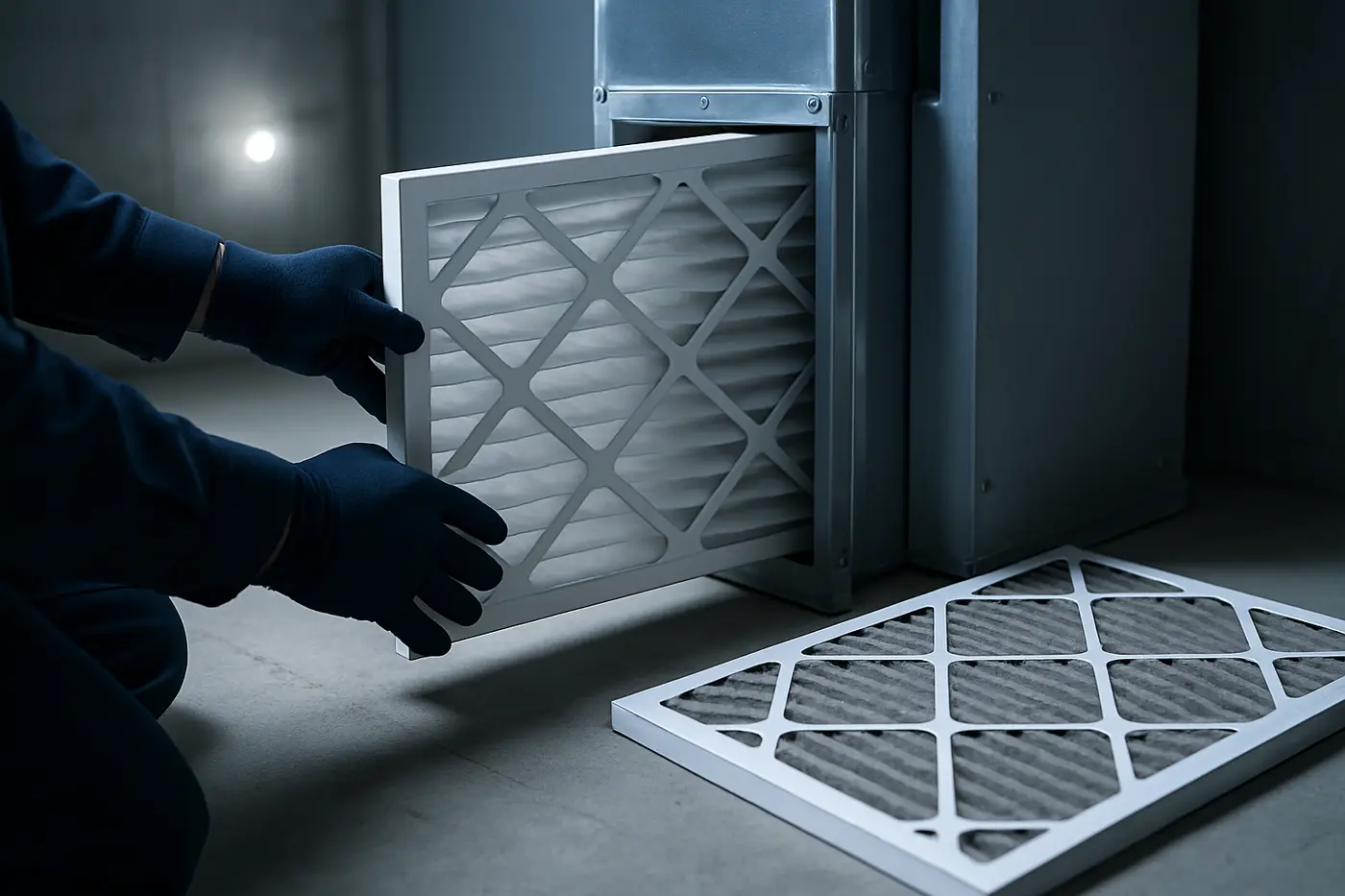
| Filter | Changed or checked, size written down | Limit switch trips from a plugged filter |
| Blower | Wheel inspected, motor amperage measured, capacitor checked on PSC motors | A dying capacitor or motor |
| Heat exchanger | Visual inspection, temperature rise measured | Cracks, overheating, airflow problems |
You get the readings in writing, with notes on anything that is wearing. A part that is close to failing is priced before it is replaced, and nothing is replaced without your go-ahead. More on timing and what to expect is in how often should you service your furnace.
When to book
September and October are the months. The furnace is about to start working, a part can be ordered without anyone going cold, and the schedule is not yet full of emergencies. A tune-up in November or December is still worth it. A tune-up in the middle of a January cold snap competes with no-heat calls and usually waits. Booking in the fall also means that if the tune-up finds a furnace near the end of its life, you have the fall to get quotes and plan a replacement on your own schedule, instead of choosing one on a -30°C night with the house getting colder by the hour.
Newer furnaces are not exempt. In 1990s to 2020s subdivisions like Terwillegar, Summerside and Leduc, most homes have high-efficiency furnaces with side-wall PVC venting and a condensate trap, and those two items cause a large share of winter shutdowns. The oldest phases of these neighbourhoods also have builder-grade furnaces reaching 15 to 20 years, the point where a tune-up is as much about planning a replacement as keeping the current one running.
Older furnaces and older houses
In 1970s and 1980s suburbs like Callingwood, Castle Downs or Mill Woods, many homes are on their second or third furnace, sometimes still chimney-vented, running on original ductwork. A tune-up on these furnaces pays extra attention to the heat exchanger, the chimney draft and the hot water tank sharing the flue. A furnace past 15 years with a clean combustion test and a sound heat exchanger can keep going. One with a questionable heat exchanger or rising CO in the flue gets a closer furnace inspection and an honest conversation about replacement.
Repair-or-replace honesty applies here too. If the tune-up finds a worn igniter on a 12-year-old furnace, replacing it for $225 to $450 before winter is the right call. If it finds a cracked heat exchanger on a 22-year-old furnace, the right call is replacement, not a tune-up and a hope.
HRV and humidifier add-ons
HRVs are common in newer, tighter Edmonton homes. They bring in fresh air and recover heat from the stale air going out. The core collects dust and the filters plug, and in a cold snap a neglected HRV core can freeze. HRV service, core clean, filters and a balance check, runs $129 to $229 and fits on the same visit.
Humidifiers are common because Edmonton winter air is very dry. The pad or panel needs changing, and the drain and water valve need checking. Keep the setting modest in a cold snap: too much humidity shows up as frost and condensation on the windows. If you do not have one and the house is dry enough to crack lips and wood floors, a humidifier on the furnace runs $500 to $1,100.
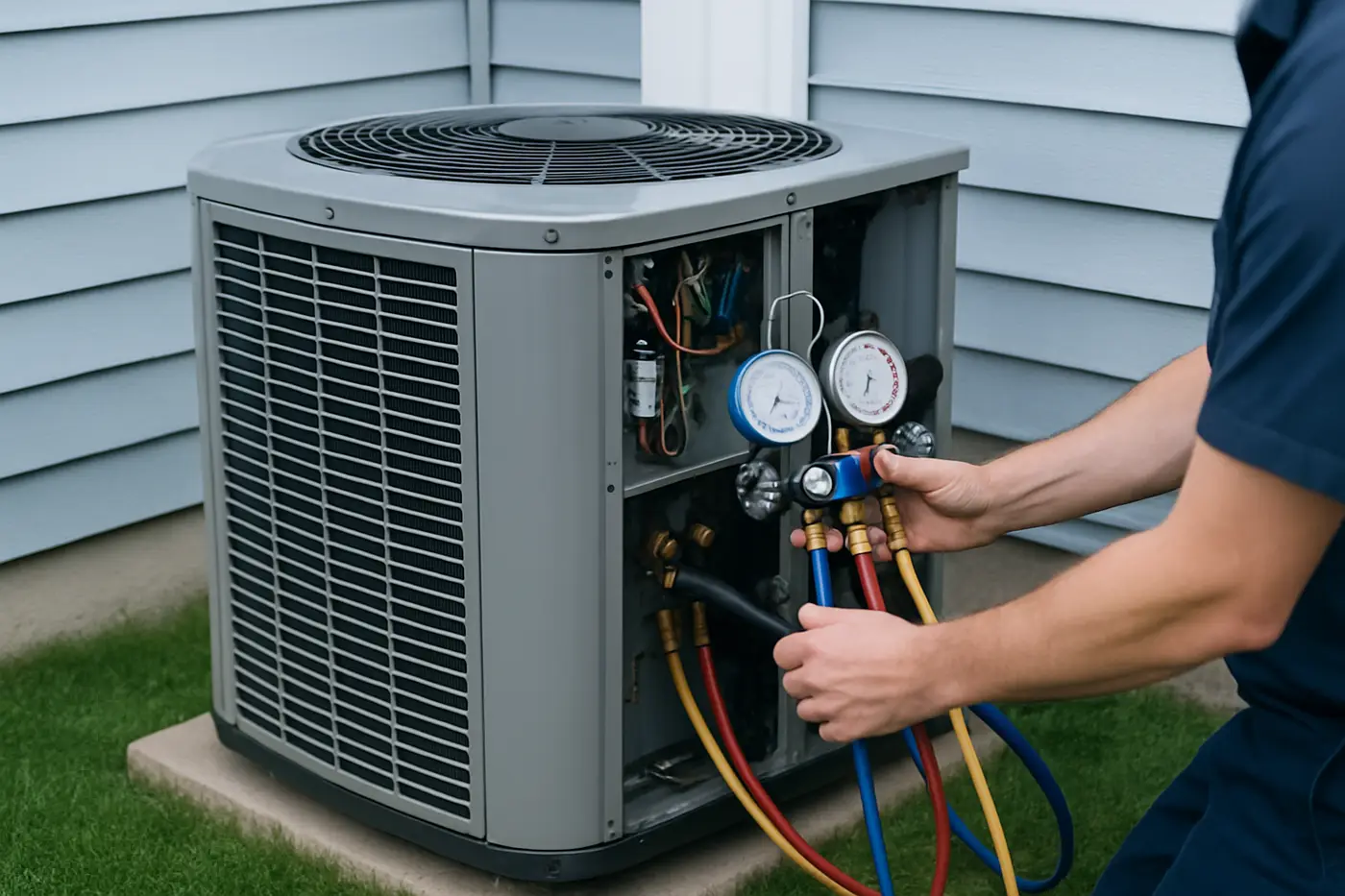
If you have central AC, the AC tune-up is best done in spring, before the first hot spell, on a separate visit.
What you can do between visits
- Check the filter every month in the heating season and change it when it is grey. Write the size on the furnace.
- Keep the two PVC pipes outside clear of snow and frost after every storm and in every cold snap. Brush by hand.
- Look at the condensate line for kinks or ice.
- Keep boxes, paint and laundry away from the furnace.
- Test your CO alarms, and check the end-of-life date printed on them, typically 7 to 10 years.
Do not open the burner compartment or adjust the gas valve. The nine safe checks if the furnace stops are in furnace not working? checks before you call.
What it costs
Typical Edmonton ranges; your price is confirmed in writing before any work starts. A furnace tune-up runs $129 to $219. HRV service adds $129 to $229. A standalone safety inspection with combustion and CO test runs $149 to $249. The full table is on the pricing page.
Who does the work
Gas work in Alberta is done by a certified gasfitter, and refrigerant work by a certified refrigeration and air conditioning mechanic. The contractor pulls the permits a job needs; a furnace replacement needs a gas permit, pulled by the contractor, followed by an inspection.
Book the tune-up
Request a visit with the make and age of the furnace if you know it, and whether there is an HRV or humidifier to add. If the furnace has already stopped, go to emergency furnace repair instead; no-heat calls get priority.
Last updated September 24, 2026