In Depth
Ductless Mini-Split Installation in Edmonton, Explained
What a ductless mini-split is
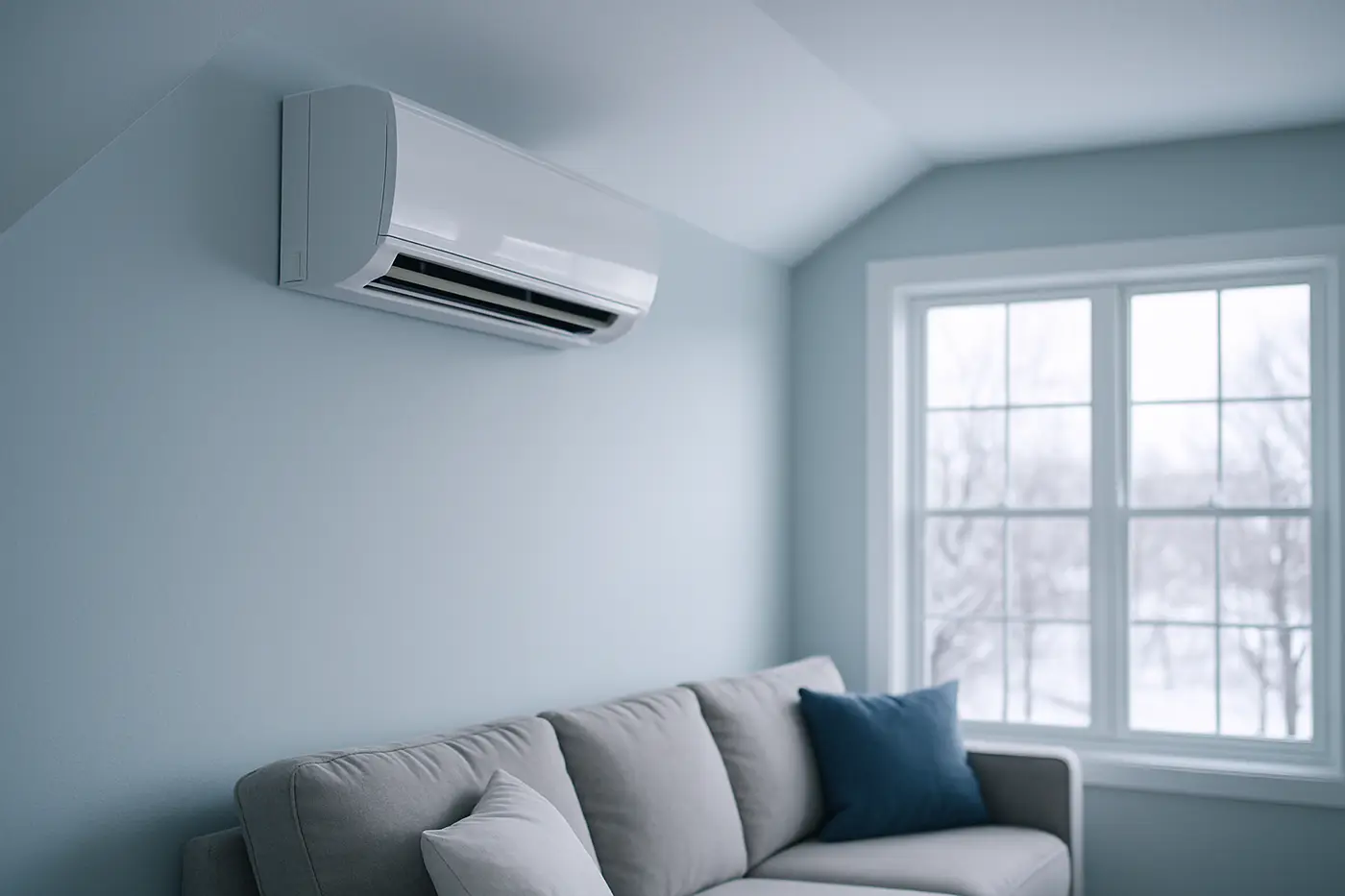
A ductless mini-split is a heat pump or air conditioner that does not need ductwork. An outdoor unit is connected by a small line set, two copper lines, a control wire and a condensate drain, to one or more indoor heads, usually mounted high on a wall. Each head has its own fan, coil and control, so each room gets exactly the heating or cooling it asks for. The line set passes through a hole in the wall a few inches across, and it can be hidden in a cover on the outside of the house.
Most mini-splits sold today are heat pumps, meaning they heat as well as cool. Cold-climate models are the ones that matter in Edmonton.
Where ductless makes sense in Edmonton
Most Edmonton homes heat with a natural gas forced-air furnace, and for those houses central air or a ducted heat pump on the furnace is usually the better whole-house answer. Ductless earns its place in the spaces the ducts do not reach, or in houses that never had ducts.
Character homes with boilers. Older central houses in Garneau, Old Strathcona, Westmount, Glenora and parts of Oliver were built in the 1900s to 1940s, and some still heat with hot water boilers and radiators. There are no ducts to carry air conditioning, and running new ones through plaster walls and tight basements is disruptive. A multi-zone ductless system cools the main floor and the bedrooms without opening walls, and a cold-climate model adds heat in the shoulder seasons so the boiler runs less.
Houses where ducts were added late. Some character homes got forced air decades after they were built, on ducts that are too small to carry enough cool air upstairs. A single head in the upstairs hall or main bedroom fixes the room that central air never reaches.
Bonus rooms over garages. In 1990s to 2020s subdivisions like Terwillegar, Windermere, Summerside, and newer parts of Spruce Grove, Beaumont and Leduc, the bonus room over the garage is cold in winter and hot in summer. It sits over an unheated space, under a roof, at the end of the longest duct run. A small ductless head gives it its own control.
Basement suites. A suite with its own heat and cooling control is more comfortable for the tenant and avoids arguments about the thermostat upstairs.
Garages and workshops. A cold-climate head can keep a garage or shop workable through most of the winter and cool in summer.
Condos. Towers downtown and in Oliver have building-wide systems or in-suite fan coils or heat pumps, and any change is subject to condo board and building management rules. Some buildings allow ductless units on balconies or specified walls; many do not. Written approval comes first.
Single-zone or multi-zone
A single-zone system is one outdoor unit and one indoor head. It is the simplest, the most efficient for its space, and the easiest to service. For one room, a suite or a garage it is usually the answer.
A multi-zone system is one outdoor unit serving two to four indoor heads, each with its own control. It saves exterior wall space and suits a house without ducts that needs several rooms served. The trade-off is that one outdoor unit failing takes out every room, and rooms with very different needs can sometimes be served better by two single-zone systems. The quote explains which one fits and why.
Indoor heads come in several styles: high-wall heads, the most common and least expensive; floor consoles, useful under windows in older houses; and ceiling cassettes where there is space above.
Cold-climate performance, honestly
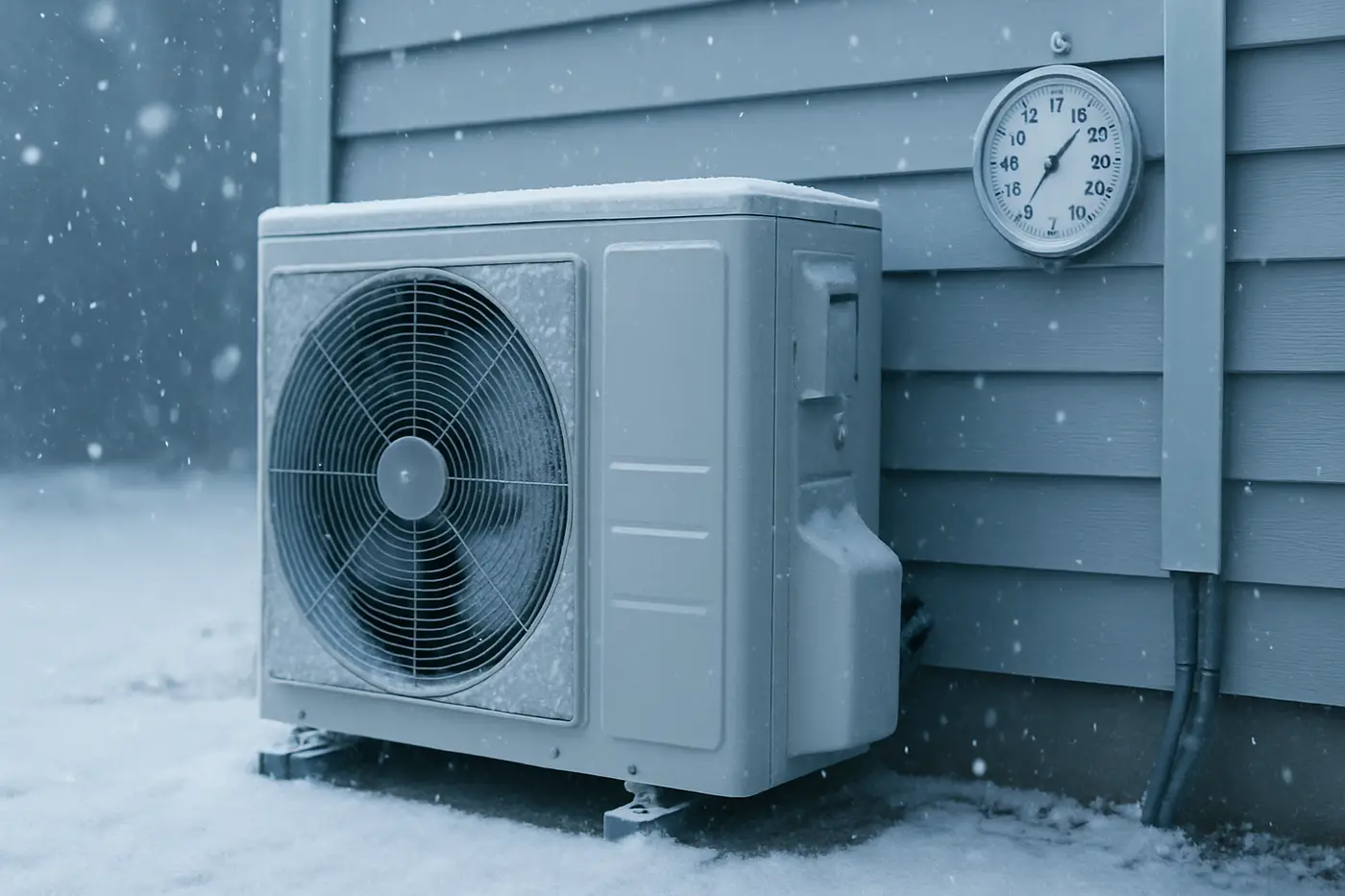
Edmonton January daily means sit around -10°C, and cold snaps below -30°C happen in most winters. Cold-climate ductless heat pumps keep producing heat well below -20°C, with falling capacity and efficiency as it gets colder. That means a mini-split can carry a well-insulated room through much of the heating season, but on the coldest nights it needs backup: the boiler, the baseboard heaters, or the furnace. Designed that way, the old heat source runs far less, and nobody is cold in a cold snap. The fuller explanation is in do heat pumps work in Edmonton winters.
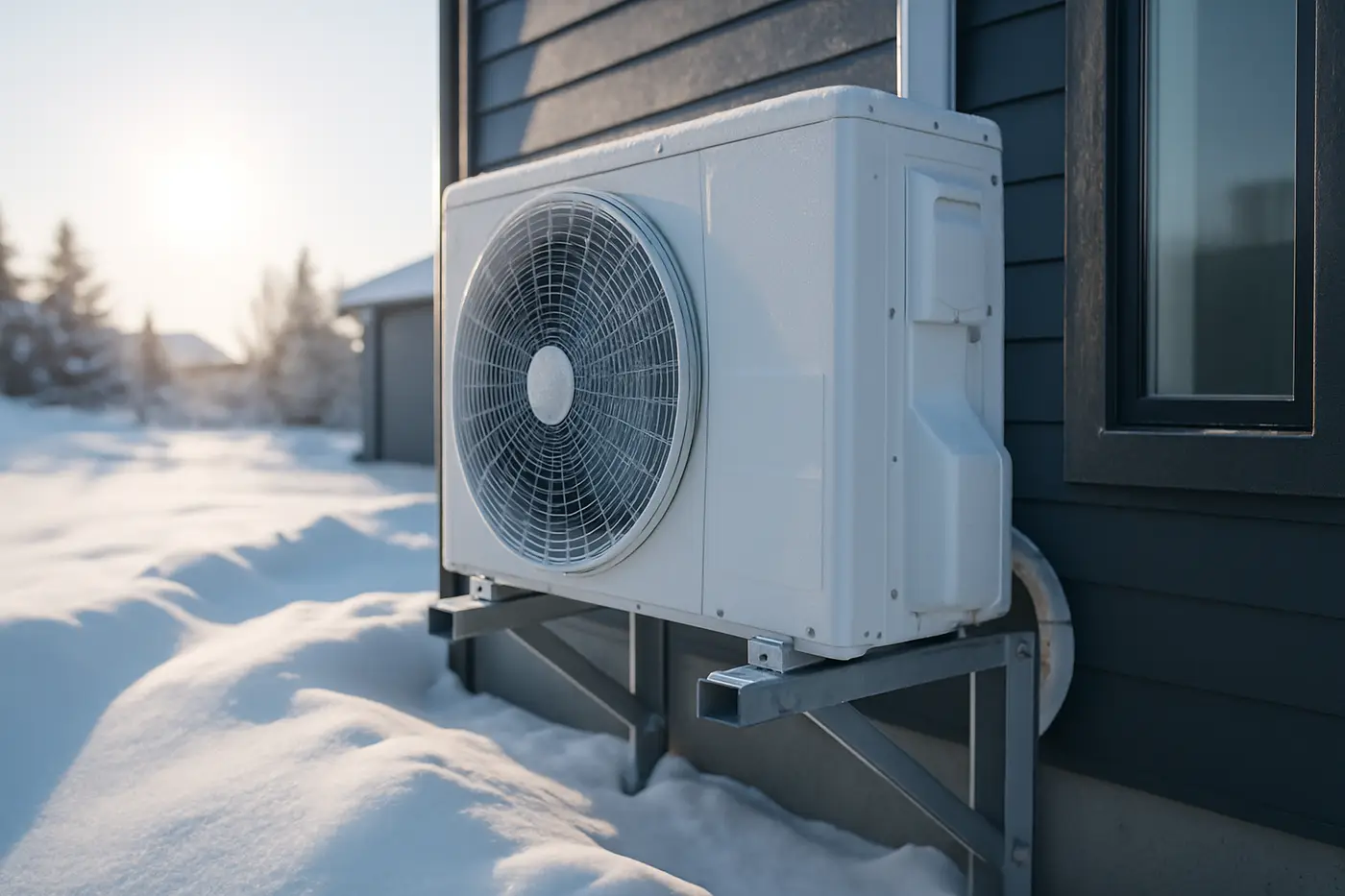
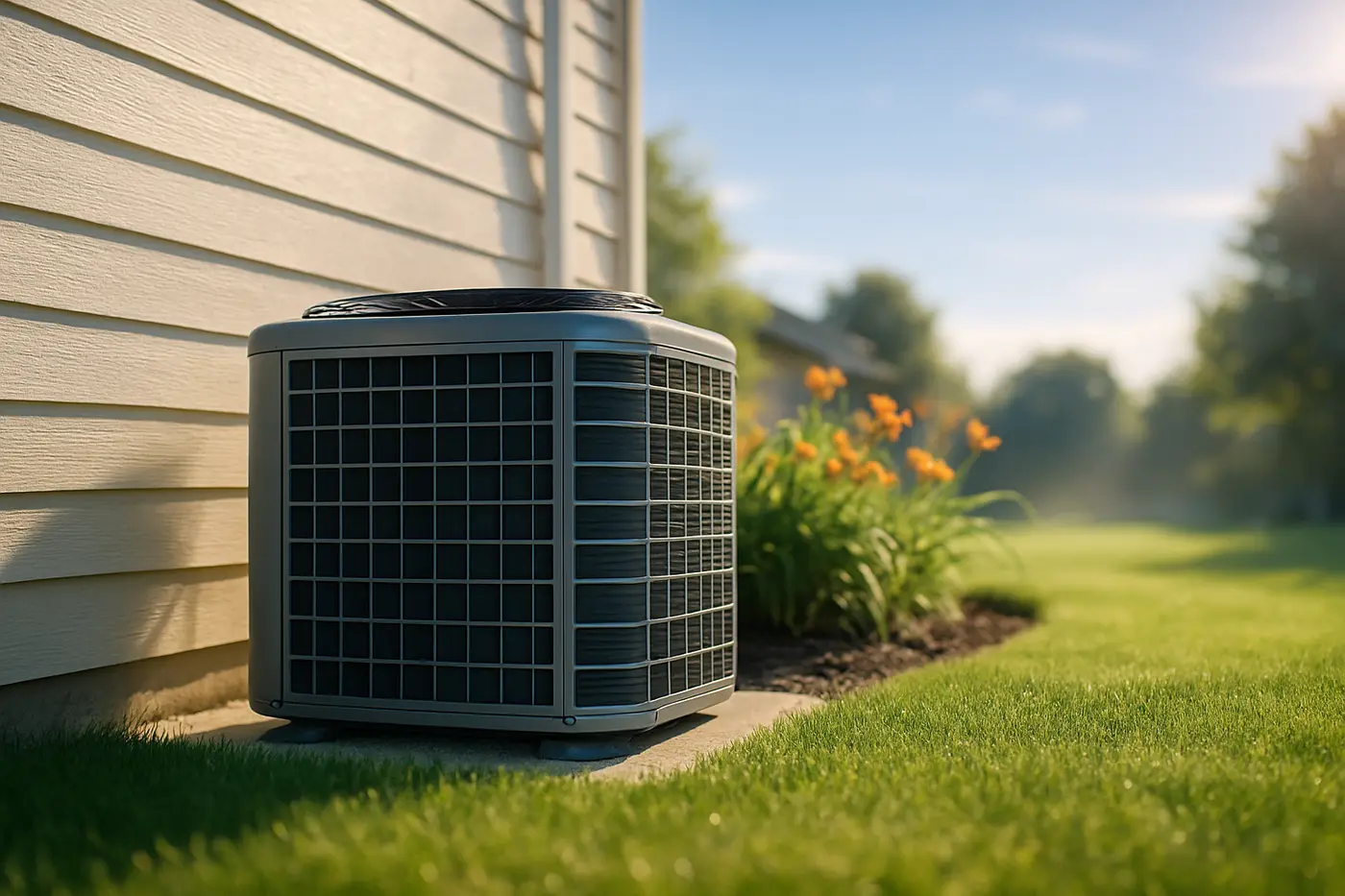
The outdoor unit sits on a raised stand or wall bracket above the snow, clear of roof drip lines, with the clearances from windows, property lines and the gas meter that any outdoor unit needs. In heating mode it runs a defrost cycle, and the melt water needs to drain somewhere it can freeze harmlessly.
Where the heads go
Head placement decides how comfortable a room feels. A high-wall head usually goes on an exterior wall so the line set is short, high enough to throw air across the room, and not pointed straight at a bed or a desk chair. In a bedroom, the quietest fan speed matters more than the biggest capacity. In an older house, a floor console under a window can suit plaster walls and deep window wells better than a high-wall head. Each head also needs a place for its condensate to drain, by gravity to the outside or through a small pump, and that route is planned before the hole is drilled.
Ductless versus the alternatives
If the house has forced-air ducts in reasonable shape, a ducted heat pump on the furnace or central air usually serves the whole house for less per room. Ductless is the right tool for the rooms and houses described above, and the walk-through will say plainly when it is not.
Permits and trades
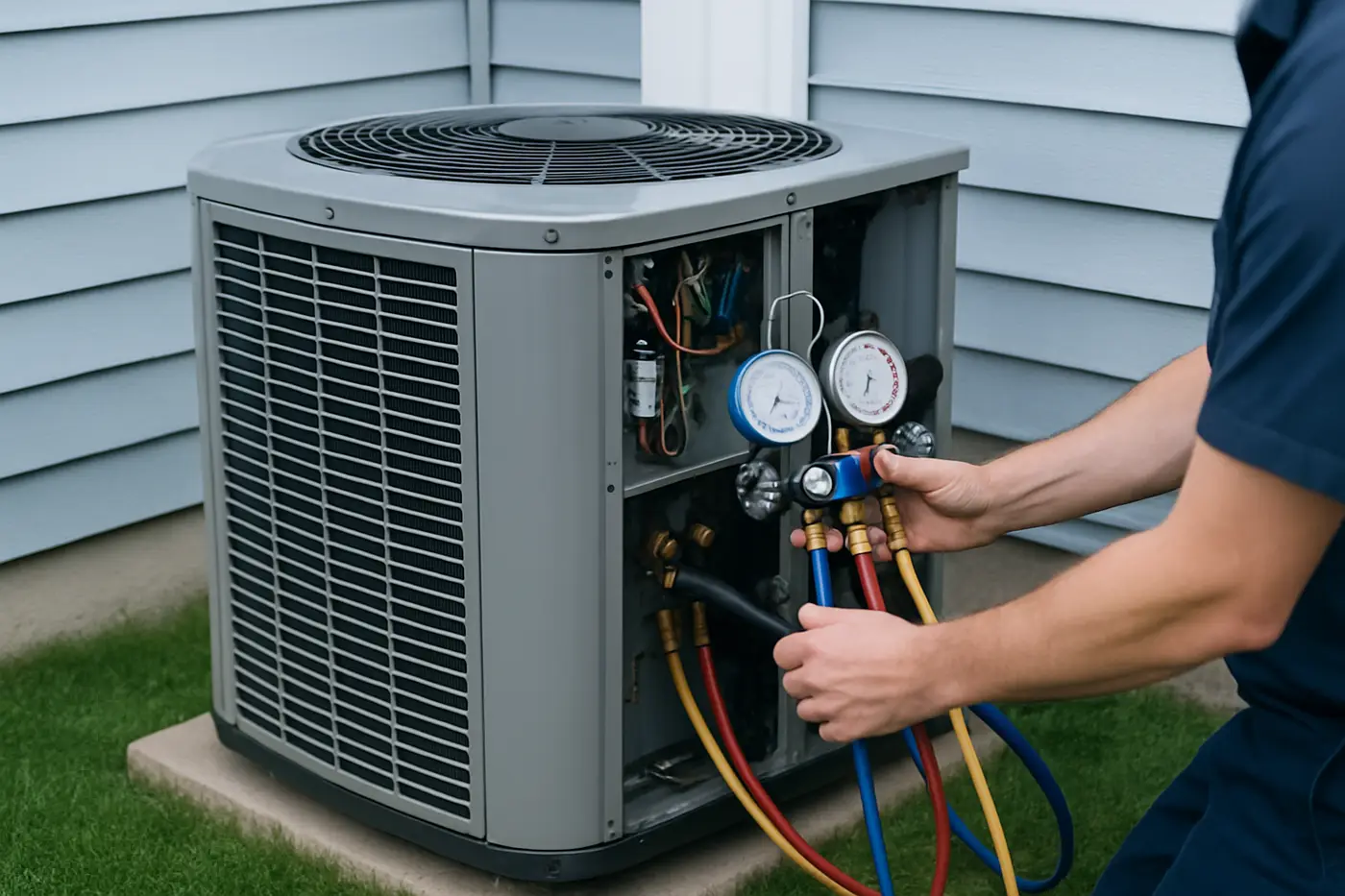
A mini-split install needs a new electrical circuit and disconnect under an electrical permit, and the contractor pulls the permits the job needs through the City of Edmonton or the surrounding municipality. Refrigeration and Air Conditioning Mechanic is a compulsory certified trade in Alberta, so the line set connections, pressure test, evacuation and charge are done by a certified refrigeration mechanic. The do-it-yourself kits sold online still need that refrigerant work done properly to hold their charge.
Rebates and financing
Programs open and close, so check what is open at the time you buy. The federal Canada Greener Homes Grant closed to new applicants in early 2024. The City of Edmonton’s Clean Energy Improvement Program (CEIP) has offered financing for upgrades such as heat pumps, repaid through property taxes, in intakes that open and close. We do not quote amounts or promise eligibility.
What it costs
Typical Edmonton ranges; your price is confirmed in writing before any work starts. A single-zone ductless mini-split runs $4,000 to $7,500 installed. A multi-zone system with two to four heads runs $8,500 to $18,000. For comparison, a ducted cold-climate heat pump on an existing furnace is $9,000 to $18,000, and central air on an existing furnace $4,800 to $8,500. The full list is on the pricing page.
Request a quote
Send the form with the rooms you want served, whether the house has ducts, a boiler or baseboard heat, and, for a condo, what the building allows. A walk-through is booked and the quote comes back in writing with the head count, locations and price. Start at the contact page.
Last updated September 24, 2026