In Depth
Air Conditioner Installation in Edmonton, Explained
Why Edmonton homes are adding air conditioning
For a long time air conditioning in Edmonton was an optional extra. Summers are short and mostly mild, with July highs typically in the low to mid 20s °C. Then came the western heat dome in late June and early July 2021, which pushed Edmonton into the mid to high 30s °C, and many households priced air conditioning for the first time that week. The wildfire smoke summer of 2023 added another reason: when the air outside is thick with smoke, the advice is to keep the windows shut, and a house with the windows shut in July gets hot fast without cooling.
Hot spells above 30°C happen most summers. An air conditioner here does not run as many hours as one in Toronto, but when it is needed, it is needed badly, and upstairs bedrooms are where people notice first.
How central air works with your furnace
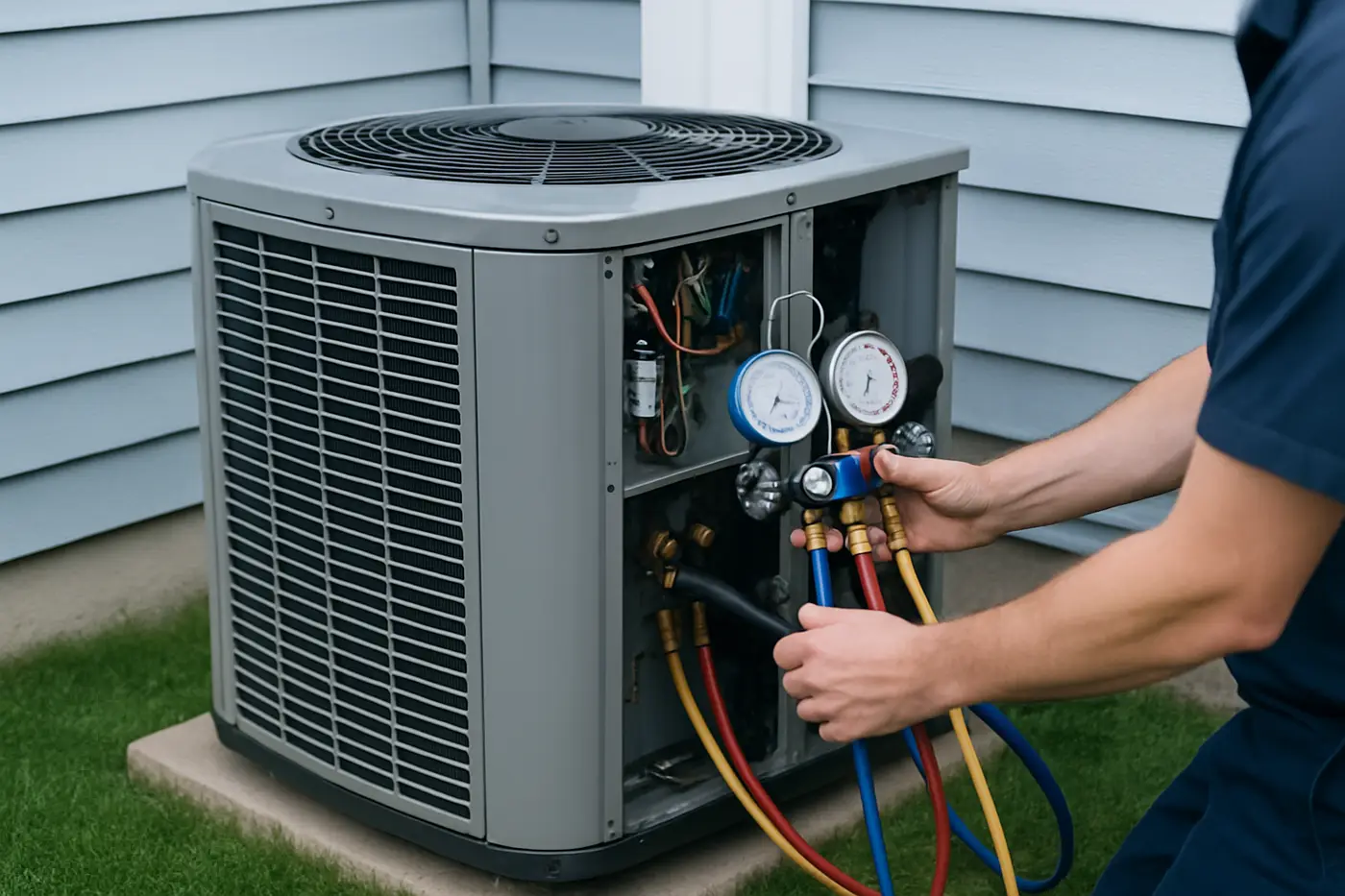
Most Edmonton homes heat with a natural gas forced-air furnace, and that furnace is half of a central air system. A central air conditioner adds three things:
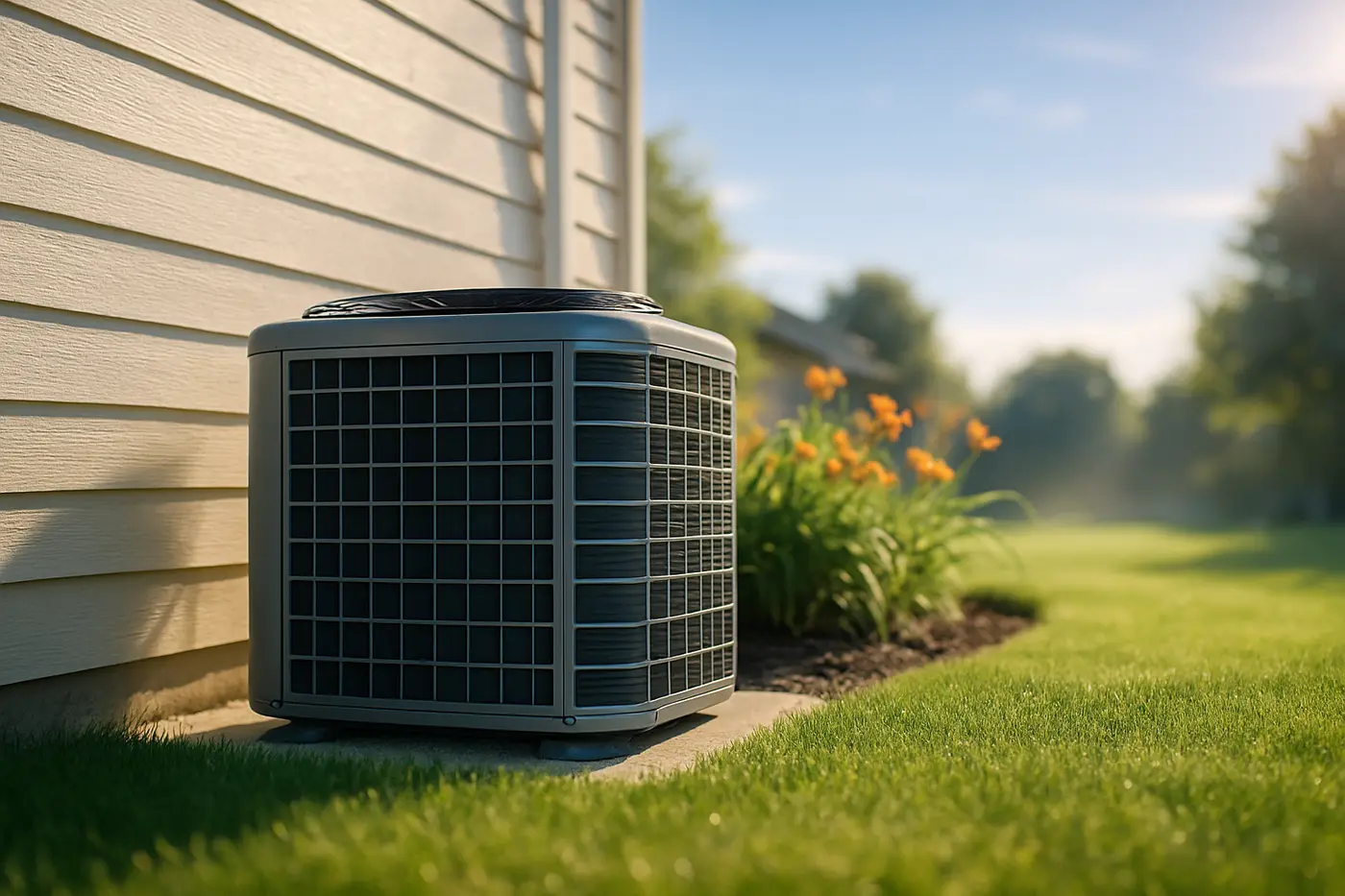
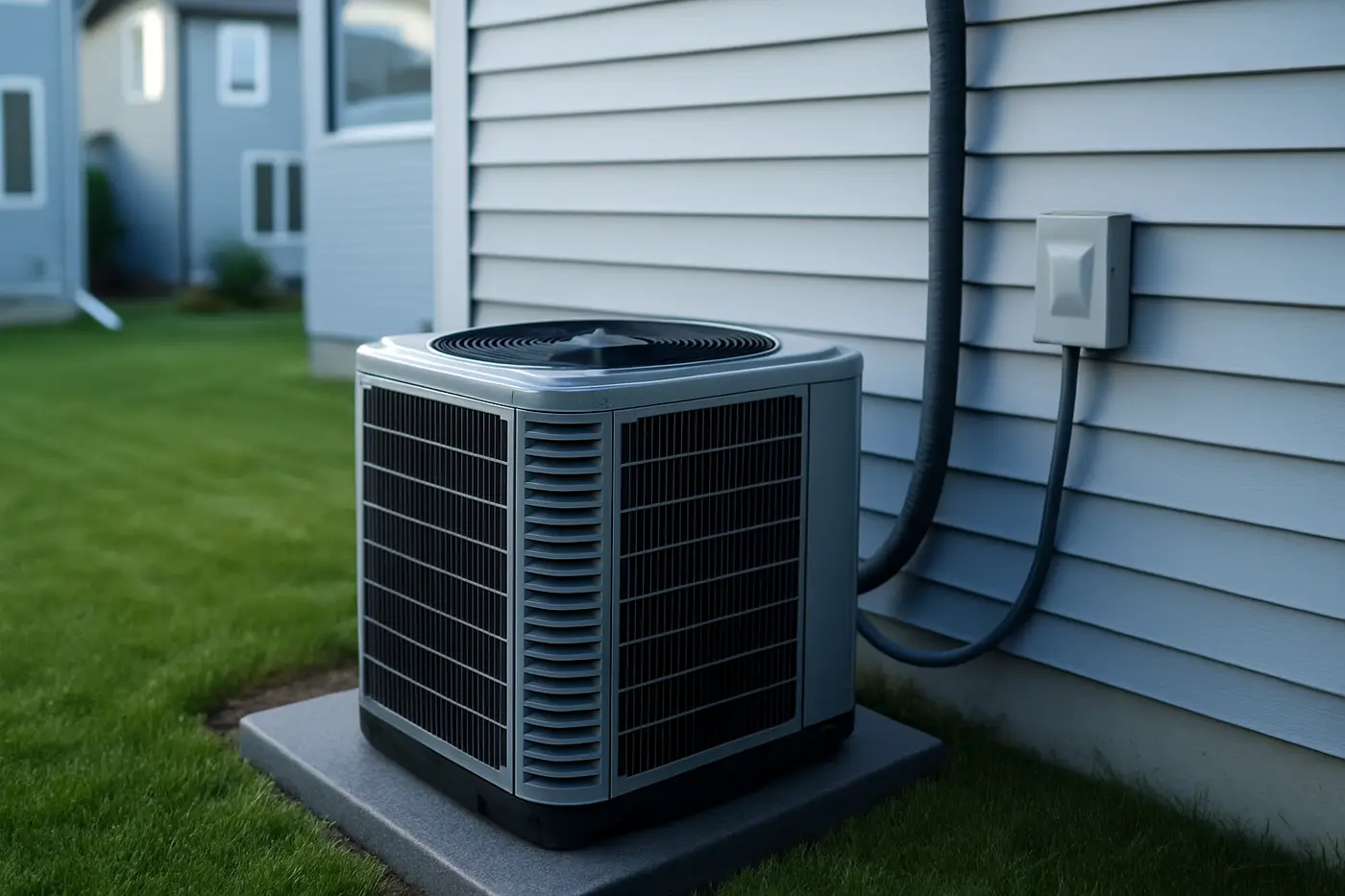
- An outdoor condenser on a pad or wall bracket, which holds the compressor and a fan that pushes heat out of the refrigerant.
- An indoor coil that sits in the supply plenum directly on top of the furnace, where the refrigerant absorbs heat from the house air.
- A line set of two copper lines and a control wire connecting them, plus an electrical disconnect beside the outdoor unit.
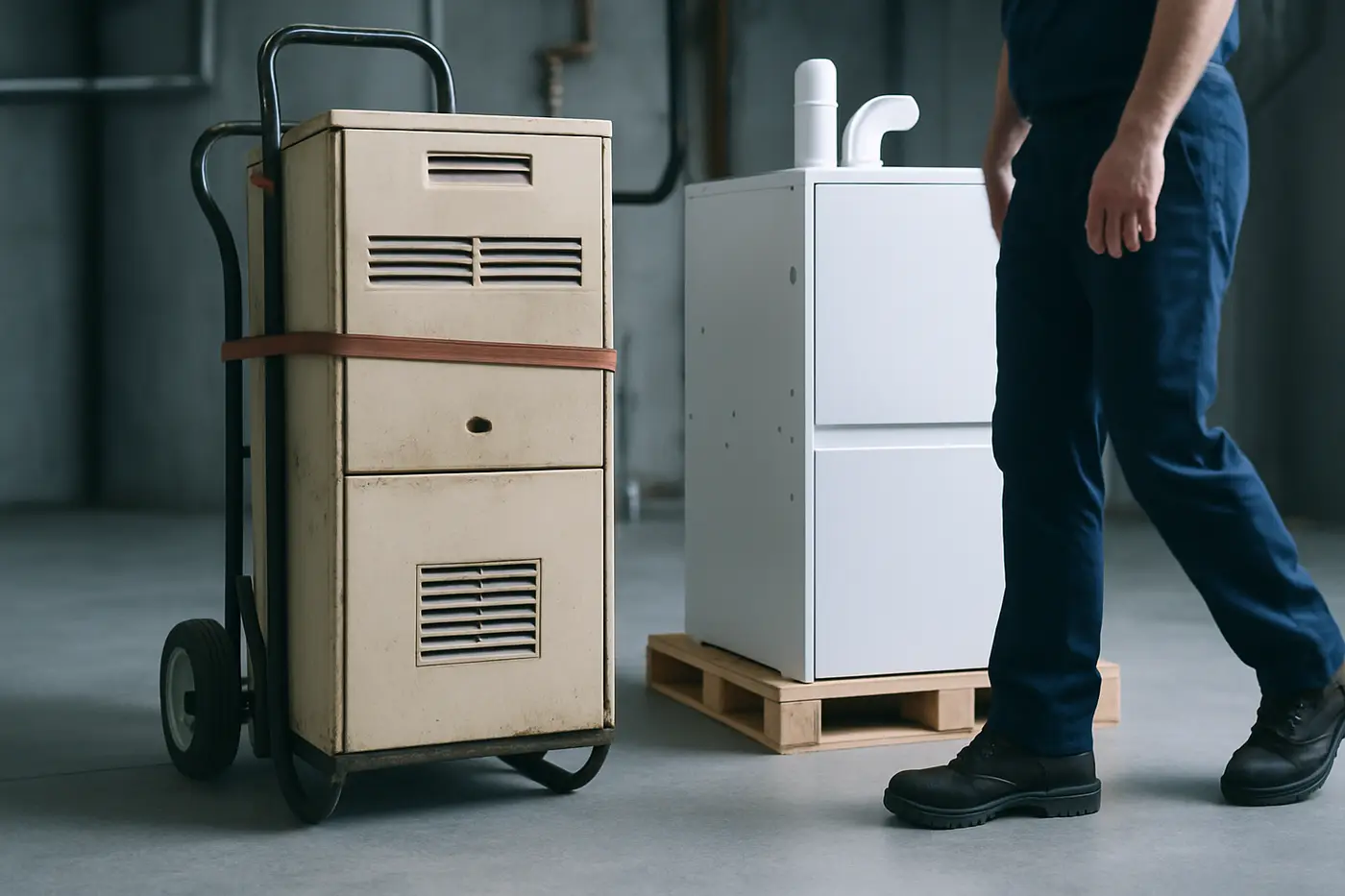
The furnace blower pushes house air across the cold coil and through the same ducts that carry heat in winter. So the condition of the furnace matters. A furnace with a weak blower, a blower set up only for heating airflow, or no room above it for the coil changes the plan. A furnace close to the end of its 15 to 20 years is often worth replacing at the same time, so the new blower and the new coil are matched; see furnace replacement.
Sizing: bigger is not better
The most common mistake with air conditioning in a mild-summer city is putting in too much of it. An oversized unit drops the temperature quickly, reaches the set point and shuts off before it has run long enough to pull humidity out of the air. The house ends up cool and clammy, and the unit cycles on and off, which wears it faster.
Sizing is done on a walk-through, not from the square footage alone. The technician looks at window area and which way the windows face, attic insulation, how tight the house is, and, most important in older houses, how big the ducts and returns are. A house that can only move a certain amount of air through its ducts cannot use a bigger unit, no matter what the nameplate says.
Housing age changes the job
- 1950s and 1960s bungalows in Jasper Place, Bonnie Doon and Beverly usually have room for a coil on the furnace, but basement renovations have often boxed in ducts and blocked returns. Opening up a return can matter as much as the unit size.
- 1970s and 1980s suburbs like Mill Woods, Castle Downs and Callingwood often have air conditioning added years after the house was built, on returns sized for heating. Upstairs rooms stay warm unless airflow is addressed.
- 1990s to 2020s subdivisions in Windermere, Heritage Valley, Beaumont and Leduc have newer furnaces and ducting that suit a coil, but bonus rooms over garages run hot in summer. A ductless head in that room is sometimes the better answer; see ductless mini-splits.
- Character homes with boilers and radiators have no ducts at all, which points to a ductless system instead of central air.
Where the outdoor unit goes
The condenser needs free airflow around it and above it, and it must sit with the required clearances from windows, property lines and the gas meter. It makes noise, so placing it under a bedroom window or right beside the neighbour’s patio is a poor choice even where it is allowed. A short, direct line set to the furnace is better for performance. On narrow infill lots the side yard may be too tight, and a wall bracket or a back-yard pad with a longer line set is the compromise. Placement is decided on the walk-through and drawn on the quote.
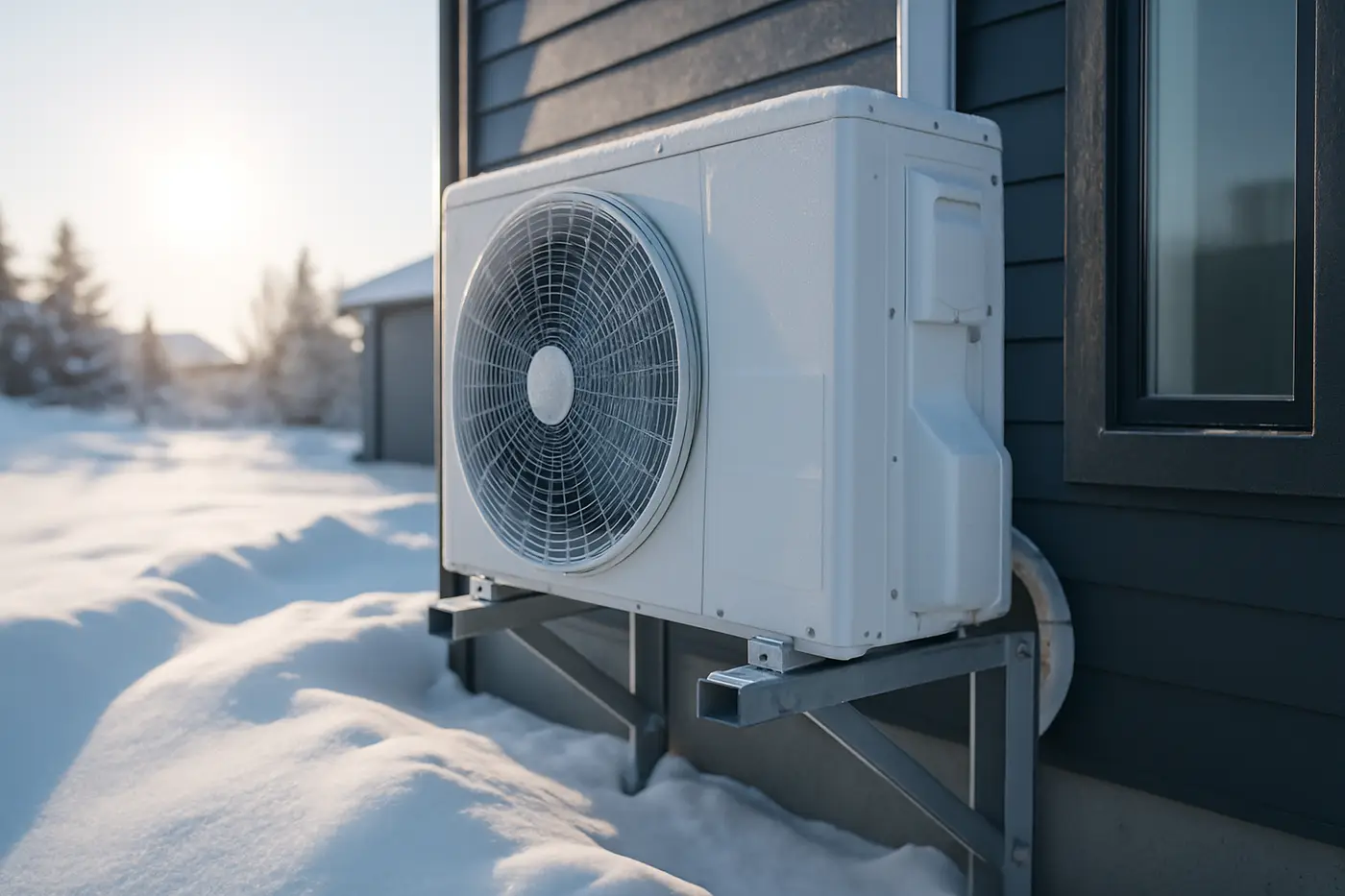
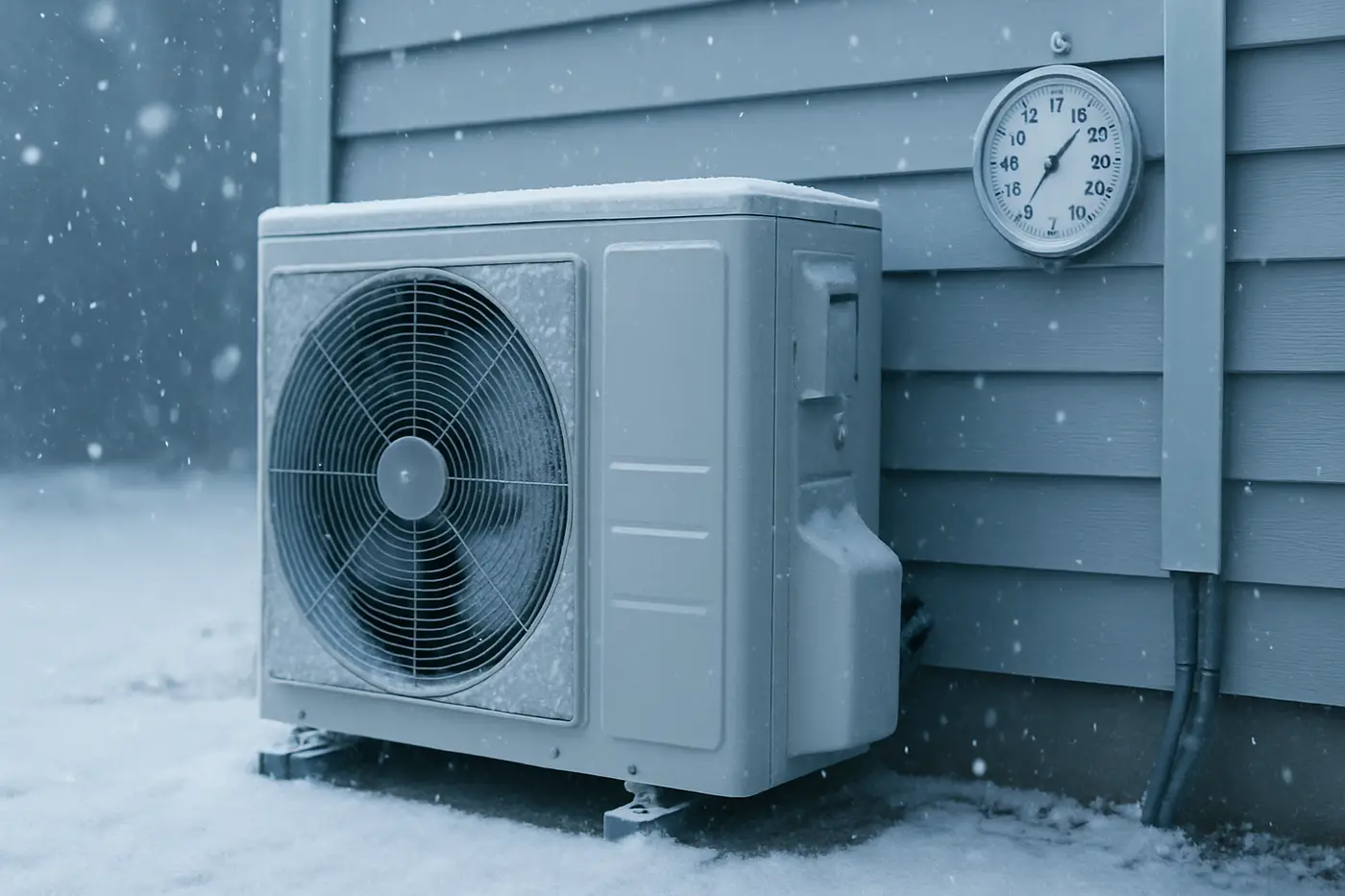
In Edmonton, the unit will also sit under snow for months. It should be set level on a pad or bracket, clear of roof drip lines and away from where snow gets piled when the driveway is cleared.
Permits and trades
An air conditioner install typically needs electrical work under a permit for the new circuit and disconnect, and new ductwork or a new system may also need an HVAC or mechanical permit. The contractor pulls the permits the job needs through the City of Edmonton or the surrounding municipality. Refrigeration and Air Conditioning Mechanic is a compulsory certified trade in Alberta, so the line set is pressure tested, evacuated and charged by a certified refrigeration mechanic. Since 1 March 2019 Alberta has banned door-to-door sales of energy-related home products, including air conditioners, so anyone knocking on your door selling one is breaking that rule.
Refrigerants and what is on the market
Most existing air conditioners in Edmonton run on R-410A. New equipment is moving to lower global-warming refrigerants such as R-454B and R-32 as Canadian rules phase down HFCs. For a new install that is mostly good news: the new equipment will be easier and cheaper to service over its life than an R-410A unit bought today. If you are replacing an older unit, the quote says which refrigerant the new one uses.
Air conditioner or heat pump
A heat pump is an air conditioner with a reversing valve, so it can move heat into the house in winter as well as out of it in summer. Installed with your gas furnace as a hybrid system, a cold-climate heat pump covers the cooling and a large share of the heating, and the furnace carries the house on the coldest days. It costs more up front, and whether it pays back depends on gas and electricity prices and any financing open at the time you buy. The trade-offs are on the heat pump installation page and in do heat pumps work in Edmonton winters.
What it costs
Typical Edmonton ranges; your price is confirmed in writing before any work starts. Central air installed on an existing furnace and ducts runs $4,800 to $8,500. A cold-climate ducted heat pump installed as a hybrid with your furnace runs $9,000 to $18,000. A single-zone ductless mini-split is $4,000 to $7,500 and a multi-zone system $8,500 to $18,000. The full list is on the pricing page, and what drives the number is covered in how much does air conditioning cost in Edmonton. Written quotes for replacements are free.
Request a quote
Send the form with the age of the house, the age of the furnace if you know it, and which rooms get too hot. A walk-through is booked, and the quote comes back in writing with the equipment, the placement and the price. Start at the contact page.
Last updated September 24, 2026