- #heat-pump
- #cold-climate-heat-pump
- #hybrid-dual-fuel
- #edmonton
- #air-conditioning
- #rebates
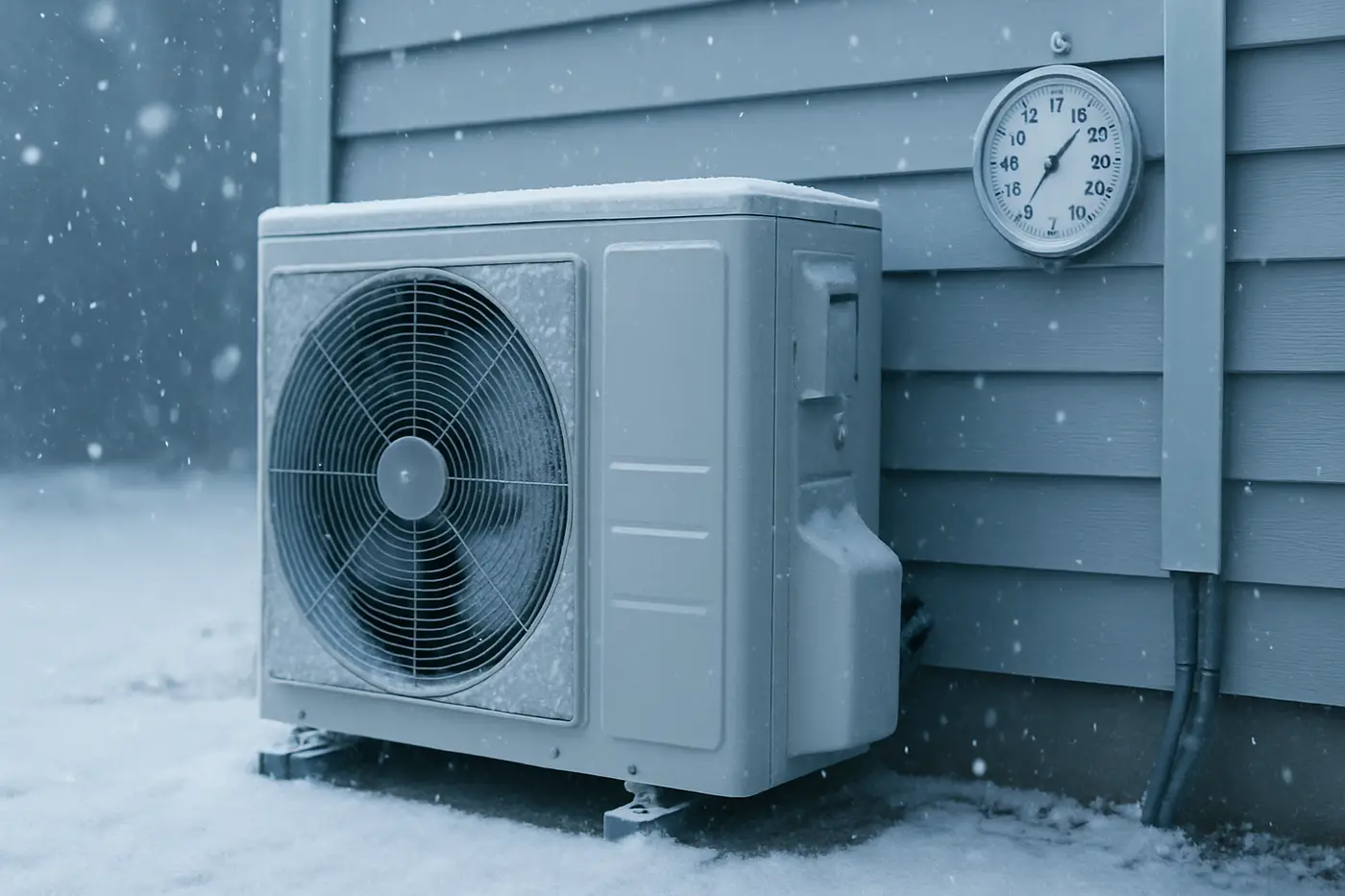
Quick answer: Yes, a cold-climate air-source heat pump keeps producing heat in Edmonton well below -20°C, but it loses capacity and efficiency as the temperature drops. In our cold snaps it needs backup, so most Edmonton installs are hybrid (dual-fuel) systems with the gas furnace taking over on the coldest days. A cold-climate ducted heat pump paired with your existing furnace typically runs $9,000–$18,000 installed.
The longer answer depends on what you expect the heat pump to do. If you expect it to replace your gas furnace outright and carry the house through a -35°C week, you’ll be disappointed. If you expect it to heat through most of the season, cool the house in summer, and hand off to the furnace when it gets truly cold, it does that job.
How a heat pump makes heat when it’s cold outside
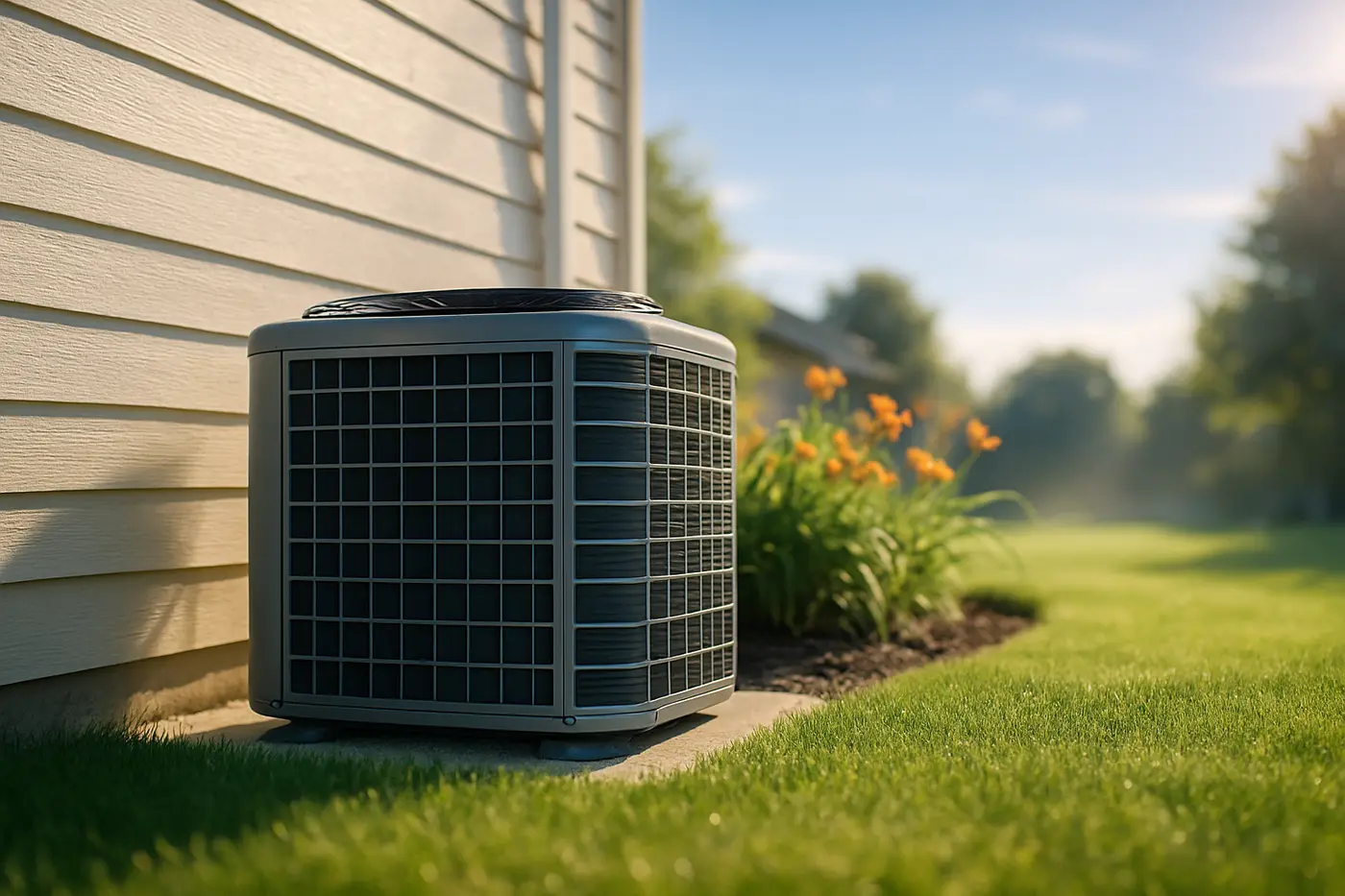
A heat pump doesn’t burn anything. It moves heat. In winter it pulls heat out of the outdoor air, even very cold air, and moves it inside using refrigerant and a compressor. In summer it runs the other way and moves heat out of the house, which is exactly what a central air conditioner does.
The catch is physics. The colder the outdoor air, the less heat there is to move and the harder the compressor has to work. That is why the model matters here. Cold-climate models are built for this: they keep producing heat well below -20°C. But even a cold-climate unit produces less heat and uses more electricity per unit of heat as it gets colder, exactly when the house needs the most.
Edmonton’s winter, honestly
Edmonton is one of the coldest large cities in Canada. January daily means sit around -10°C, and most winters bring a cold snap below -30°C. In January 2024 the region went into the -40s with wind chill, and on 13 January Alberta’s grid operator issued an emergency alert asking Albertans to cut electricity use. That week is worth remembering when you think about any heating system that depends only on electricity.
Most of the heating season isn’t that cold, though. The season runs roughly from late September to May, and a large share of those hours are in the range where a cold-climate heat pump works well: the shoulder months, and the ordinary winter days that aren’t cold snaps. That’s the part of the year a heat pump is good at.
| Outdoor conditions | What a cold-climate heat pump does | What usually happens in a hybrid system |
|---|---|---|
| Fall and spring shoulder months | Works efficiently | Heat pump carries the house |
| Ordinary winter days | Keeps heating, with lower output than in mild weather | Heat pump runs; furnace may help on colder days |
| Below about -20°C | Still produces heat, but capacity and efficiency keep falling | Furnace takes over at the switchover point |
| Cold snaps below -30°C | Cannot carry the full load alone | Furnace heats the house |
| Summer | Cools the house like central air | Heat pump cools; furnace blower moves the air |
The switchover point in a hybrid system is a setting, chosen when the system is designed based on the equipment and the house. There is no single right number for every home.
The three ways heat pumps get installed here
Hybrid (dual-fuel) with your gas furnace. This is the most common Edmonton setup. The outdoor heat pump unit replaces (or takes the place of) a central AC condenser, a coil sits on top of the furnace, and the furnace blower and existing ducts move the air. The thermostat decides whether the heat pump or the furnace runs. You keep gas heat as backup for cold snaps, and you get air conditioning in summer. A cold-climate ducted heat pump installed as a hybrid with an existing furnace typically runs $9,000–$18,000. See heat pump installation in Edmonton for what’s involved.
Ducted with electric backup. An all-electric system with electric heat strips as backup. It works, but on the coldest days the electric backup carries a lot of the load, so it’s worth understanding your electrical service and your power bill before going this route.
Ductless mini-splits. Wall or ceiling heads fed by an outdoor unit, no ducts needed. They suit homes with boilers and radiators, additions, bonus rooms over garages that run cold in winter and hot in summer, basement suites, and older character homes where ductwork is undersized. A single zone typically runs $4,000–$7,500, and a multi-zone system with 2 to 4 heads $8,500–$18,000. The details are on ductless mini-split installation.
What it costs
| System | Typical Edmonton range (2026, before GST) |
|---|---|
| Cold-climate ducted heat pump, hybrid with existing furnace | $9,000–$18,000 |
| Ductless mini-split, single zone | $4,000–$7,500 |
| Ductless mini-split, multi-zone (2–4 heads) | $8,500–$18,000 |
| Central AC on existing furnace and ducts (for comparison) | $4,800–$8,500 |
| New high-efficiency furnace, single-stage, straight swap (for comparison) | $4,800–$7,500 |
These are typical Edmonton ranges; your price is confirmed in writing before any work starts. More on the pricing page.
What moves the number: the size and capacity of the heat pump, whether it’s a cold-climate model rated for low-temperature output, whether the furnace needs a new coil or a compatible blower and thermostat, electrical work to feed the outdoor unit, the condenser pad or wall bracket and line set length, and whether ductwork needs changes. The contractor pulls the permits the job needs; an outdoor unit typically needs electrical work under a permit. Refrigerant work is done by a certified refrigeration and air conditioning mechanic, and anything that touches the gas side of the furnace by a certified gasfitter.
Who a heat pump makes sense for
A heat pump tends to make sense when:
- You want air conditioning anyway. The gap between a central AC and a hybrid heat pump is where the heating benefit comes from, and for many households that’s the deciding factor.
- Your AC condenser is old and due for replacement, so the outdoor unit is being replaced regardless.
- Your furnace is near the end of its 15 to 20 year life and you’re planning a replacement. Doing both at once means one design, one set of permits and matched equipment.
- You have spaces the furnace doesn’t heat well, like a bonus room over the garage, a basement suite or an addition, where a ductless head solves a real problem.
- A financing program such as the City’s CEIP is open when you buy, which can change the math.
It makes less sense when you expect it to cut your heating bill dramatically on its own, when your electrical service can’t handle it without a costly upgrade, or when your furnace is fairly new, you don’t want AC, and the house heats evenly already. The operating cost depends on gas and electricity rates, which change, and on how the switchover is set, so be wary of anyone who promises a specific saving.
Rebates and financing: check what’s open
This part changes often, so here’s only what is certain. The federal Canada Greener Homes Grant closed to new applicants in early 2024. The City of Edmonton’s Clean Energy Improvement Program (CEIP) has offered financing for energy upgrades such as heat pumps, repaid through property taxes, in intakes that open and close. Other programs come and go. Check what is open at the time you buy, read the eligibility rules yourself, and don’t sign anything on the strength of a rebate amount that hasn’t been confirmed by the program.
What a good heat pump quote looks like
A heat pump quote should name the outdoor and indoor equipment by model, say whether it’s a cold-climate model, state how it will be controlled with your furnace (the switchover approach), list the electrical work and permits, and include the line set, pad or bracket and condensate handling. It should be based on the heating needs of your house, not just the size of the old AC. The outdoor unit also needs to be placed with proper clearances from windows, property lines and the gas meter, and up off the ground so snow doesn’t bury it. In fast-growing areas west of the city like Spruce Grove, where builder-grade equipment in the oldest phases is reaching 15 to 20 years, the conversation often starts with the old condenser failing.
What to do next
If you’re weighing a heat pump against a straight AC or furnace replacement, request a visit and tell us the age of your furnace and AC, whether you have ducts in every room, and which rooms run cold or hot. You’ll get a written quote with the options side by side, and the honest answer if a heat pump doesn’t fit your house. For the cooling side of the decision, see how much air conditioning costs in Edmonton.