Emergency Furnace Repair
No heat in a cold snap: frosted vents, frozen condensate lines, failed igniters and inducer motors, fixed or made safe first.
St. Albert, Spruce Grove & Stony Plain · T8N
No-heat repairs, tune-ups, furnace replacement, air conditioning, heat pumps and hot water tanks for St. Albert homes, with the diagnosis explained and the price in writing before work starts.
Heating in St. Albert
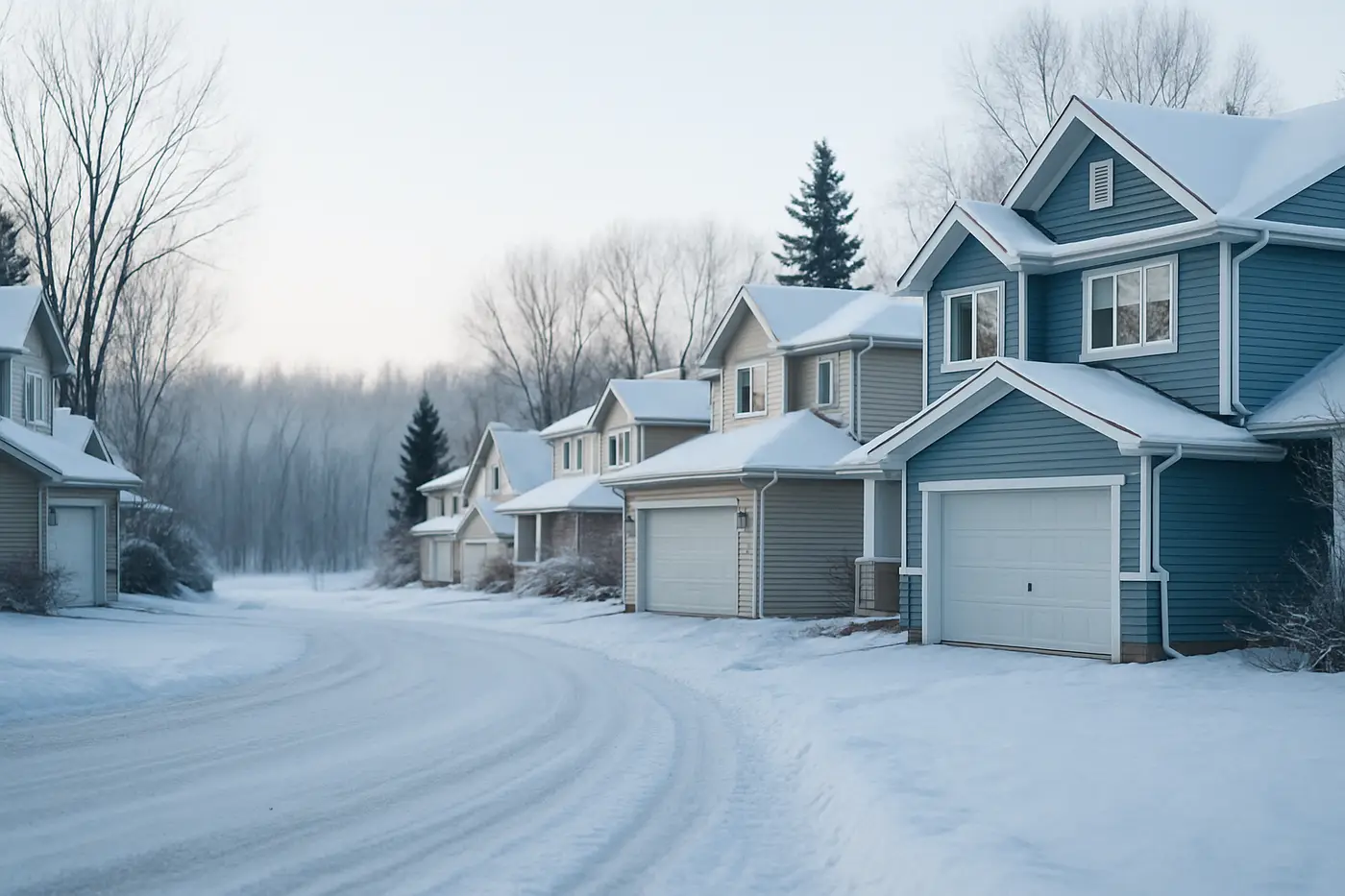
St. Albert is a separate city north-west of Edmonton on the Sturgeon River, with neighbourhoods built from the 1960s to the 2020s. It has its own permit office.
Working the area
Service calls around Sturgeon River, and the streets between.
Furnace repair in St. Albert covers more range than most places its size, because the city has been building steadily since the 1960s. The oldest neighbourhoods have bungalows whose original furnaces are long gone and whose replacements are aging; a new high-efficiency furnace there usually means dealing with the hot water tank left in the chimney. Much of the city is 1970s and 80s housing on second- or third-generation furnaces and original ducts, where inducer motors, igniters and control boards are the everyday failures, and a repair on a 12- to 15-year-old furnace is often the smart call. The newest areas run high-efficiency furnaces with side-wall PVC and HRVs, and in a cold snap the problem there is more often a frosted vent or a frozen condensate line than a failed part.
St. Albert runs its own permit office, so a furnace or hot water tank replacement gets its gas permit and inspection through the City of St. Albert or its accredited agency rather than Edmonton. The contractor pulls it, and it should be named on the written quote. Owners adding AC or a heat pump to a 1970s or 80s house should have the return air checked before any equipment is sized.
What We See Most
The patterns behind most St. Albert service calls, given the age of the homes and how they were built.
1960s homes on replacement furnaces, with chimney and orphaned water heater questions
1970s to 80s furnaces on original ductwork with worn inducer and blower motors
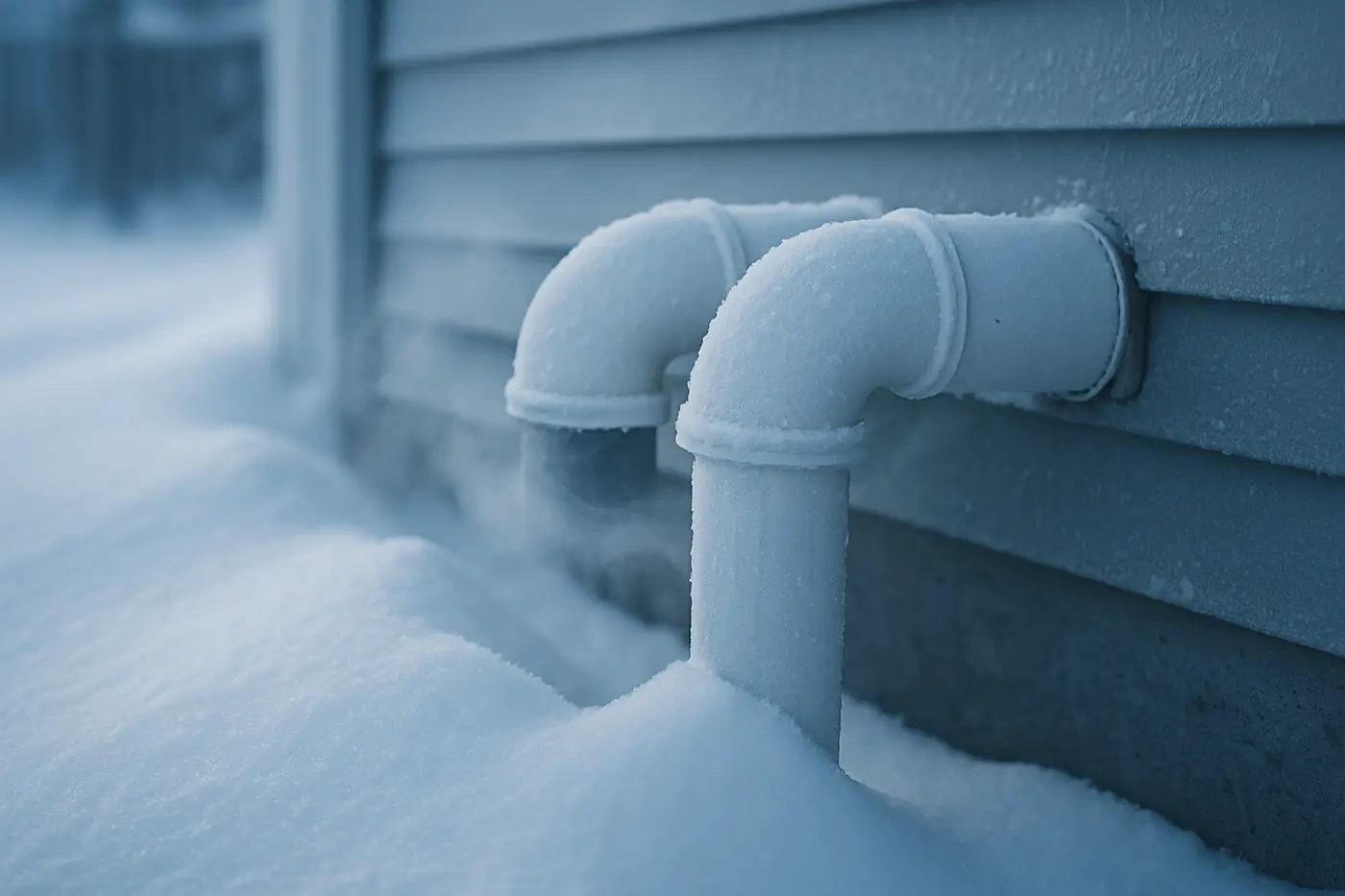
High-efficiency vents frosting or drifting over in newer neighbourhoods
Builder-grade furnaces from the 2000s reaching 15 to 20 years
AC and heat pumps added on older, undersized returns
Something else in St. Albert?
A furnace that short-cycles, a noisy blower, an HRV that froze, a hot water tank that runs out fast: tell us what it is doing and when it started.
Send a requestServices in St. Albert
No heat in a cold snap: frosted vents, frozen condensate lines, failed igniters and inducer motors, fixed or made safe first.
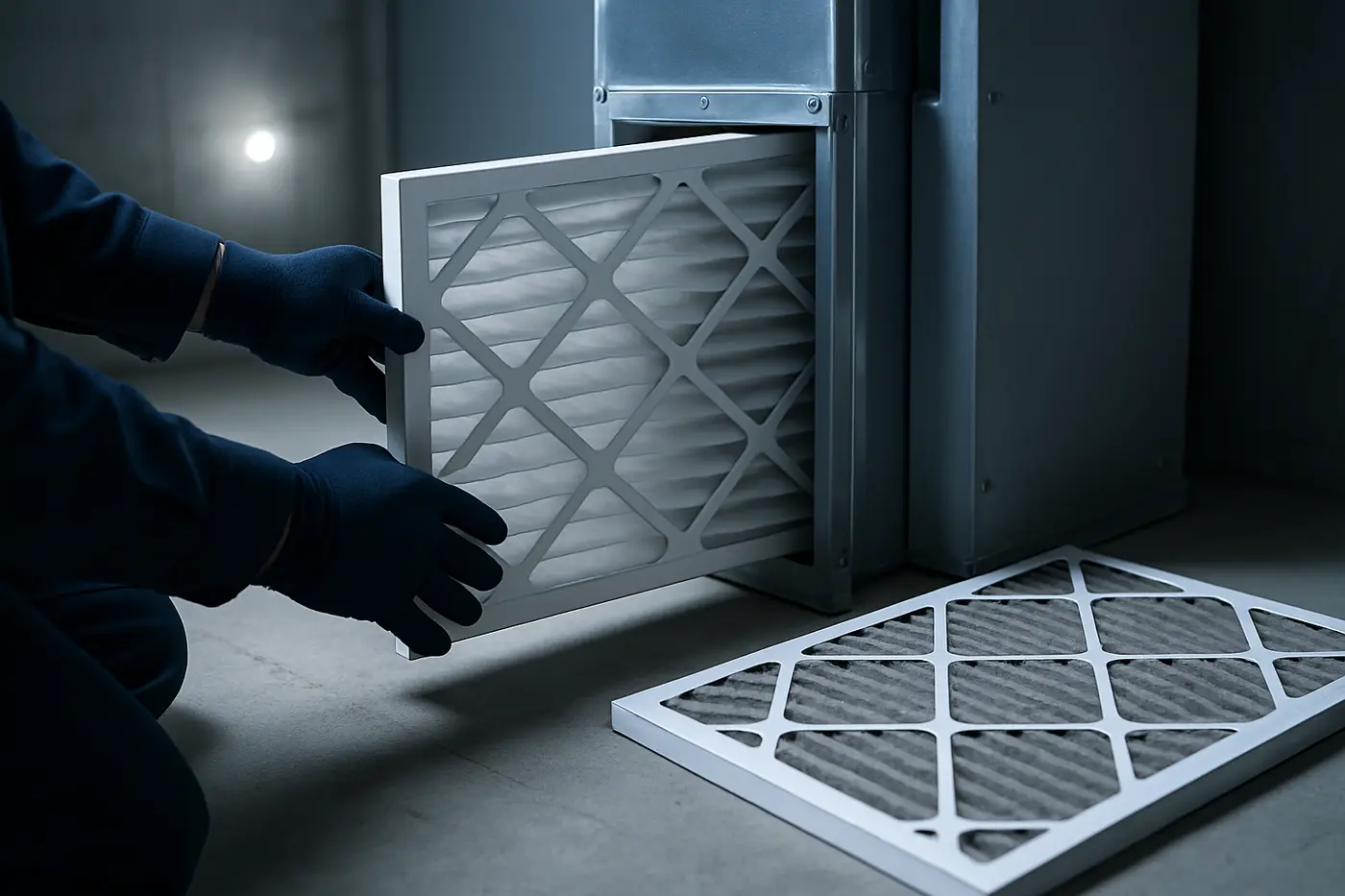
A real tune-up before winter: combustion test, flame sensor, igniter, pressure switch, condensate trap, filter and vents.
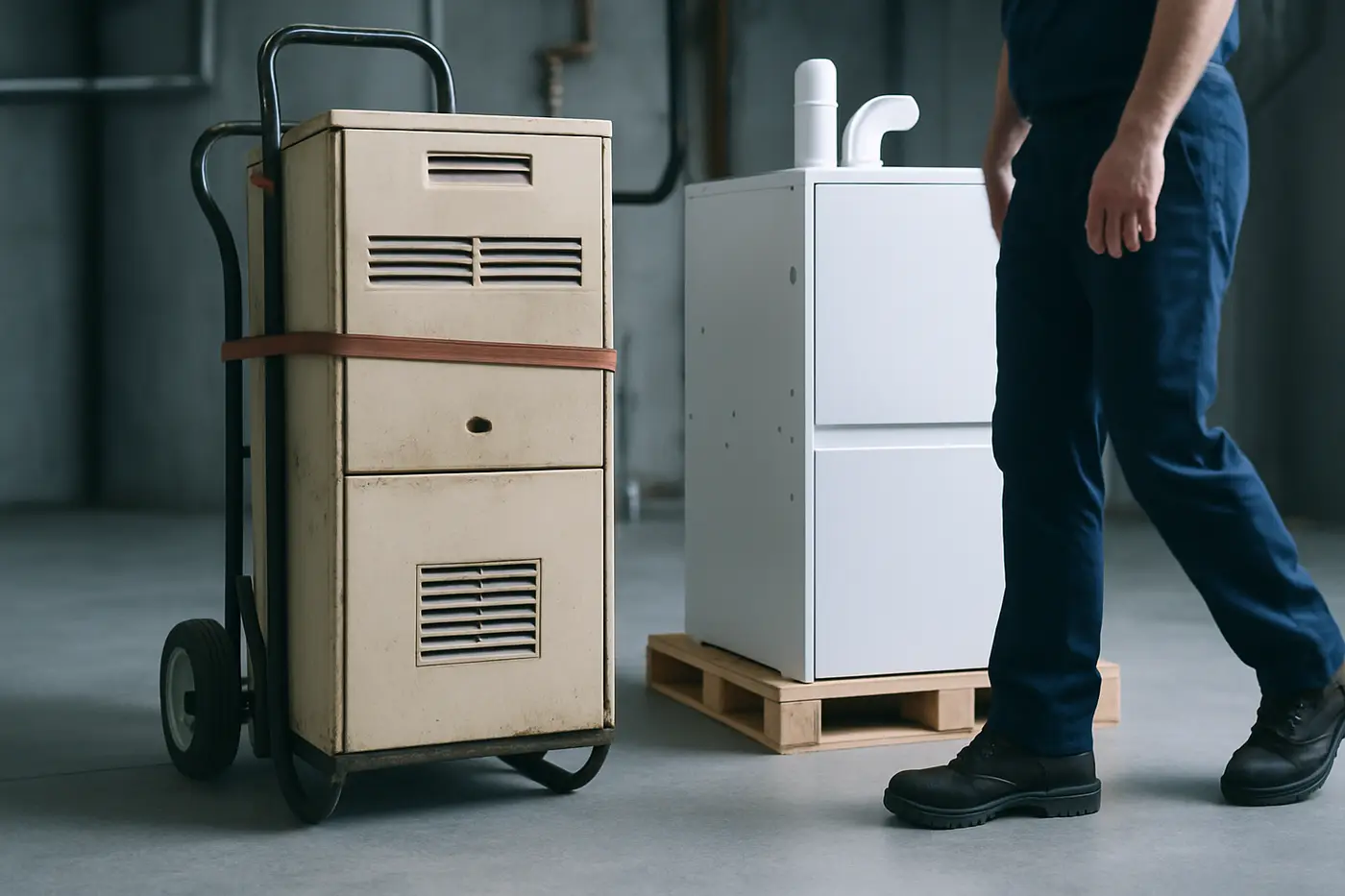
Swapping a tired furnace for a 95–98% unit, including the chimney and hot water tank venting questions older homes raise.
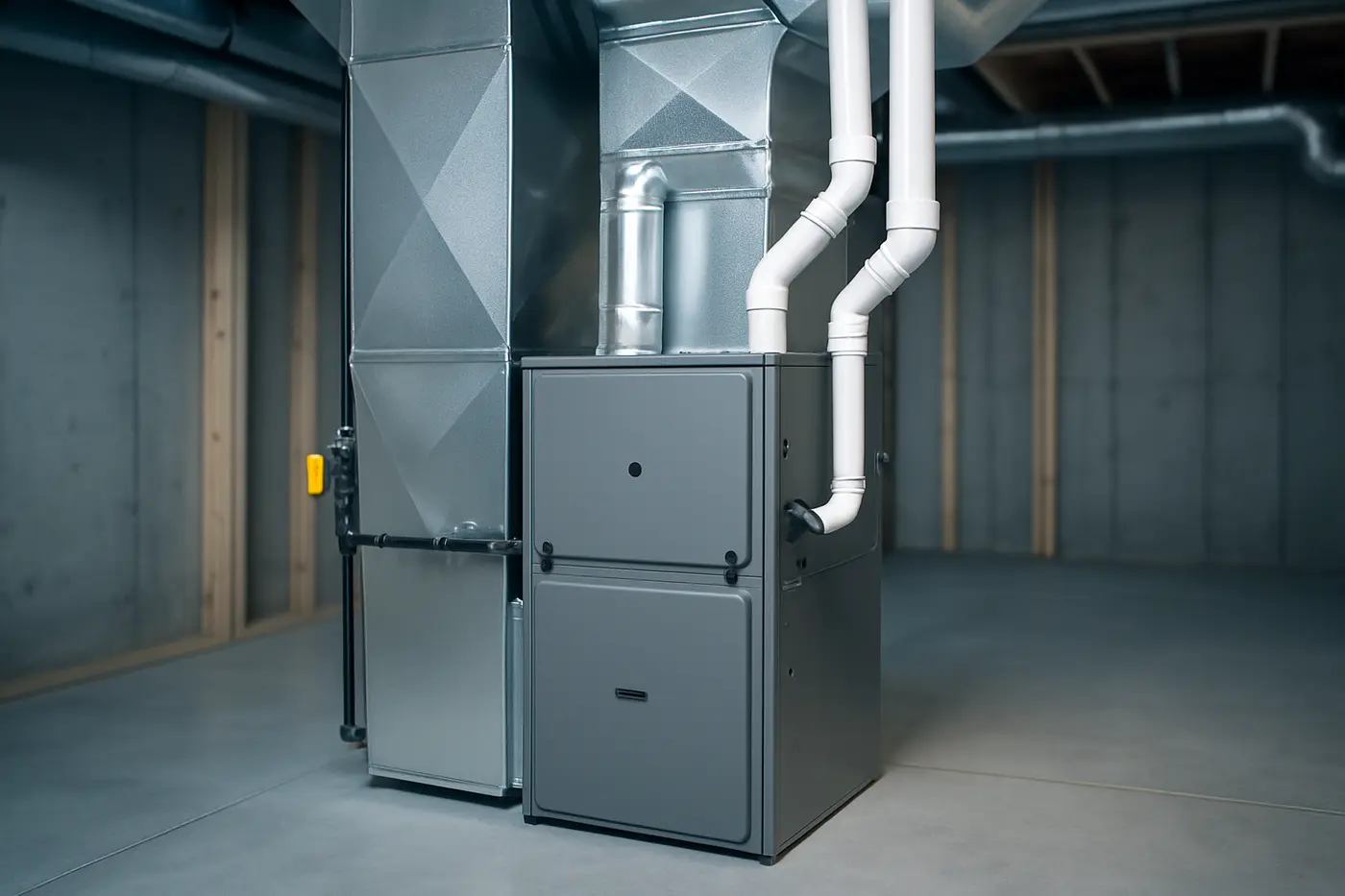
High-efficiency furnaces sized from a heat loss calculation, vented right for snow, with the gas permit and inspection.
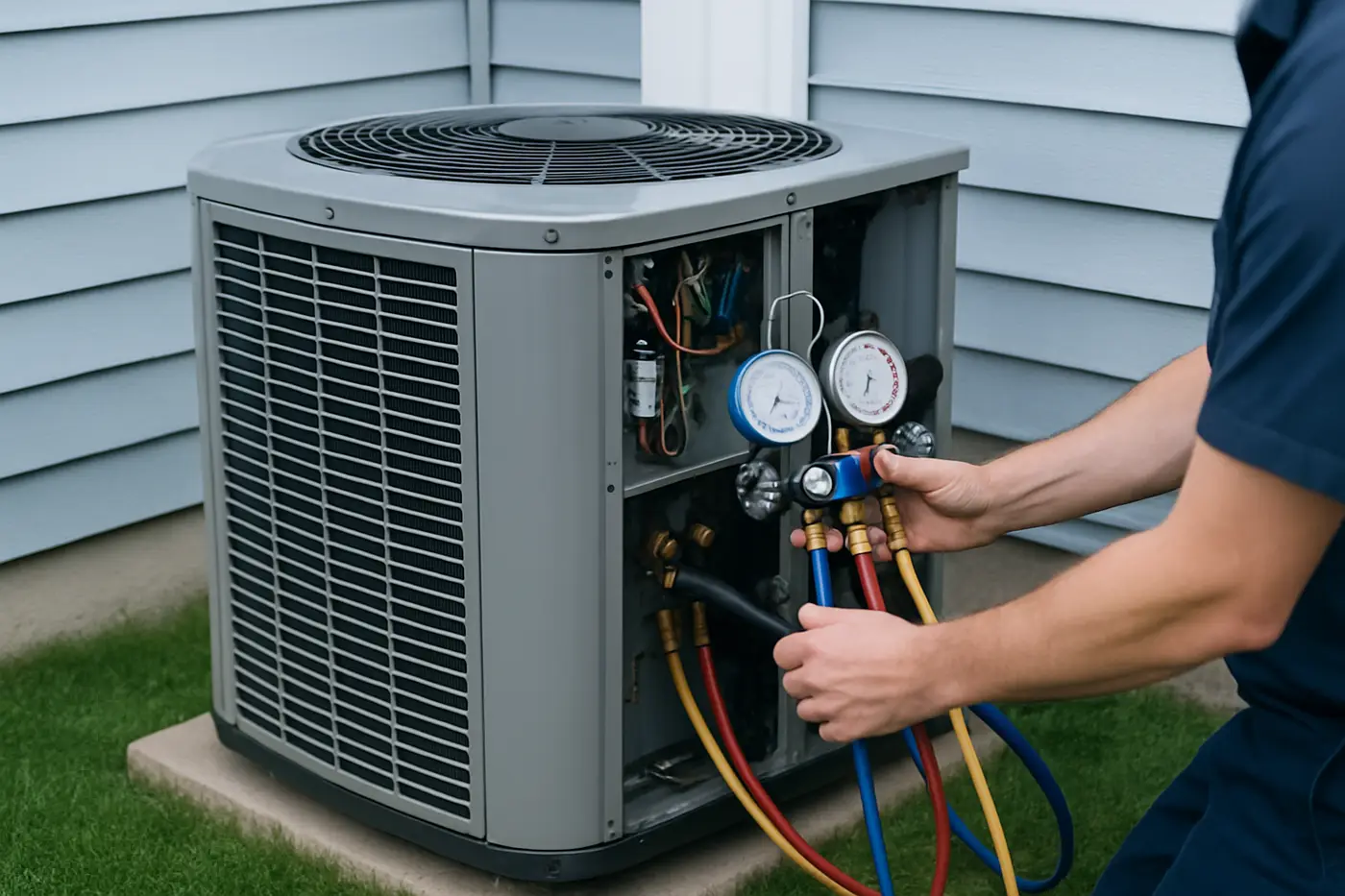
Capacitors, contactors, refrigerant leaks and frozen coils on the few hot weeks a year you actually need the AC.
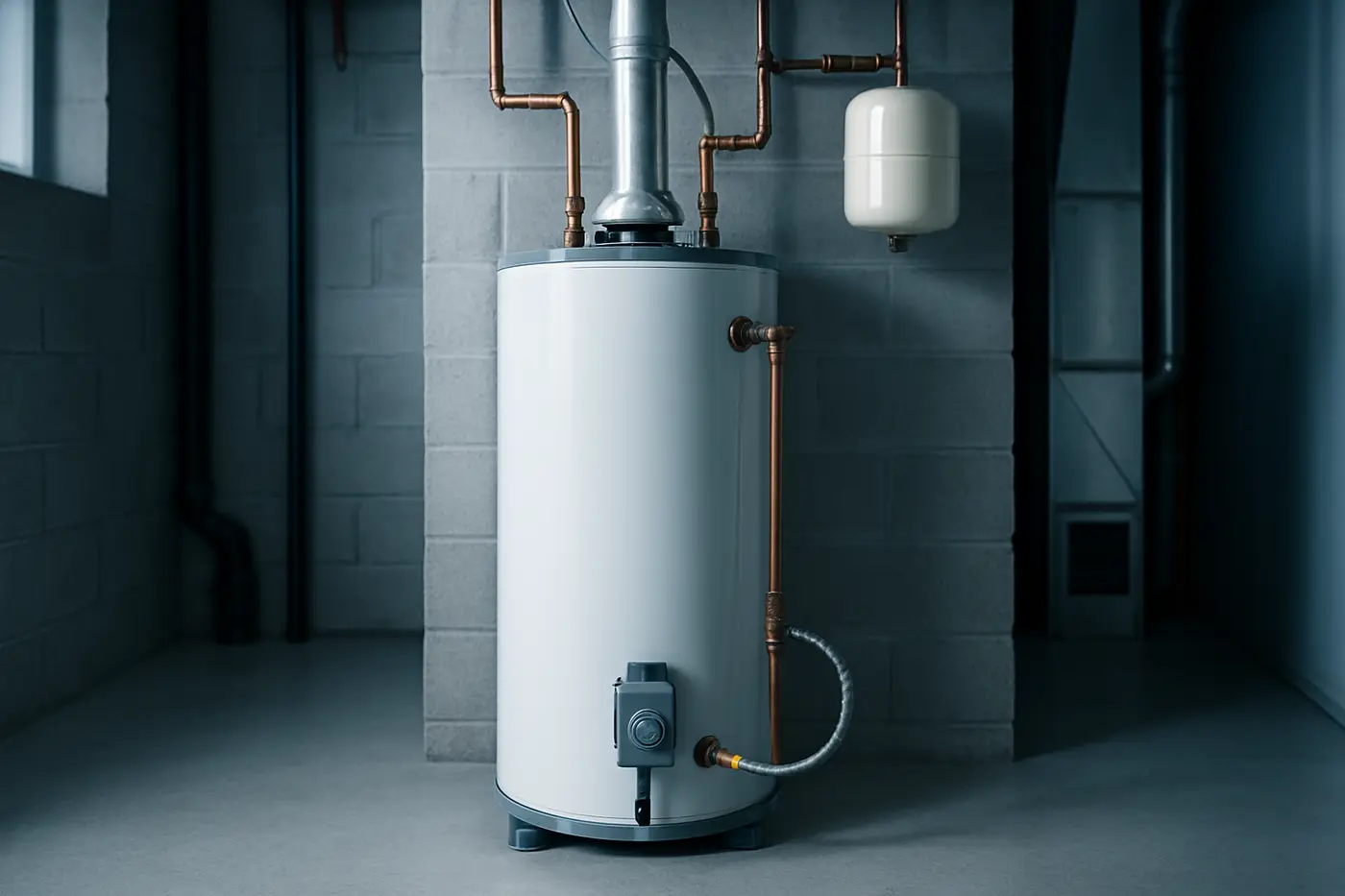
Hot water tank repair and replacement: gas, power-vent and tankless, with sediment, venting and the gas permit handled.
Before We Arrive
Some no-heat calls end at step one. The rest go faster when we know what the furnace did before it stopped.
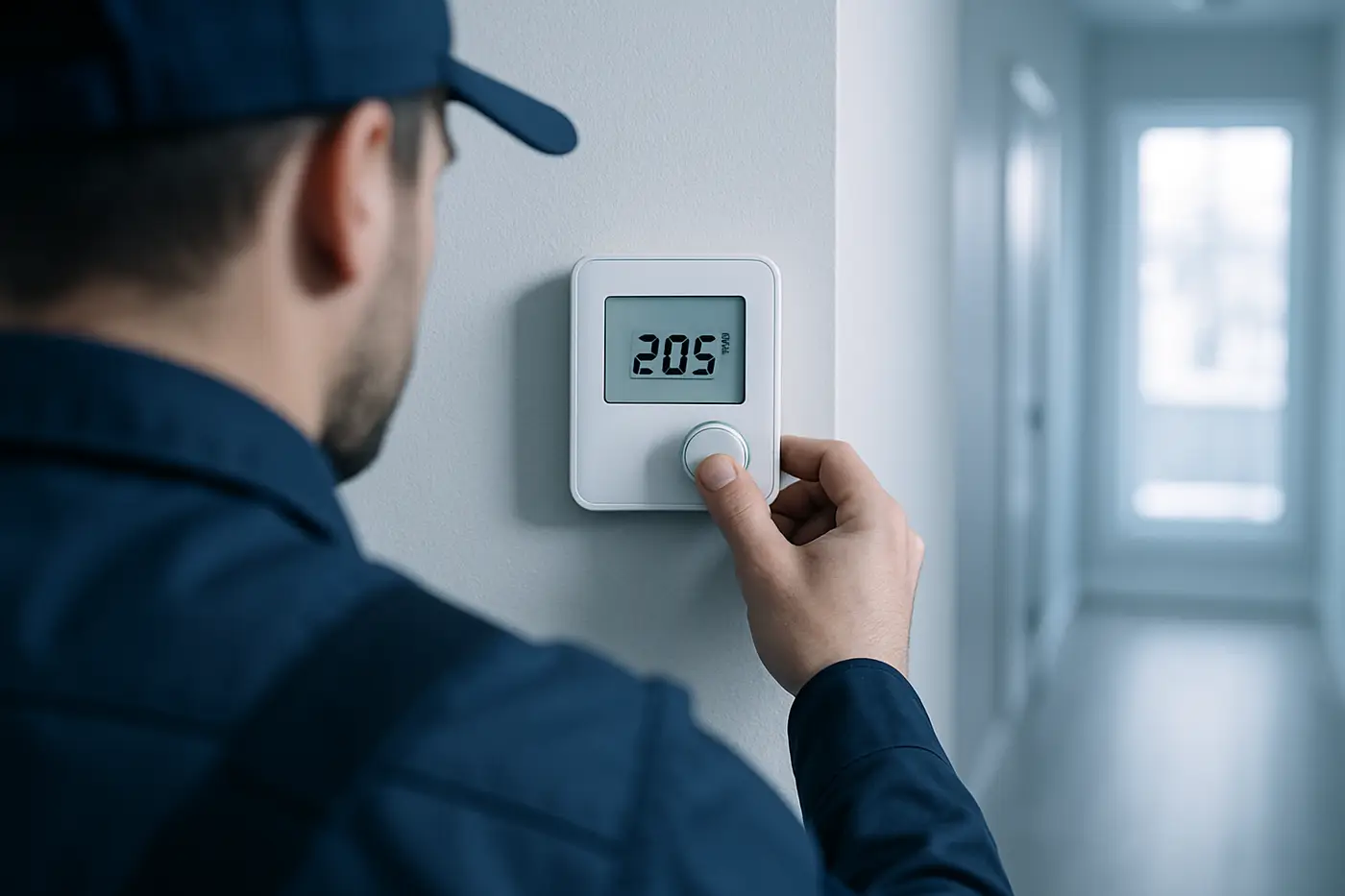
Thermostat set to heat and above room temperature, batteries, the furnace switch and breaker, and a filter that isn't grey and bowed.
From outside, find the two white PVC pipes. Snow drifted over them or a ring of frost inside is the most common cold-snap shutdown.
Count the flashes on the board through the sight glass on the blower door. The chart is inside the door. It saves diagnostic time.
Community, furnace age if you know it, what it's doing and the blink code. We reply with an arrival window for St. Albert.
Tell us what the furnace is doing. We reply with an arrival window and a price range, and the price is confirmed in writing before any work starts.
Nearby Communities
Furnace repair and heat pump work north-west and west of the city, each town with its own permits.
All Service AreasPermits & Safety
St. Albert Questions
Straight answers on timing, local failure patterns, cost and permits.
All QuestionsNo-heat calls get priority, and typical drive time to St. Albert is around 30 minutes from wherever the technician is working. We confirm the arrival window when we reply to your request rather than promise a time we can't keep. While you wait, check the thermostat, the furnace switch and breaker, the filter, and the two PVC vent pipes outside for snow or frost.
The pattern we see most in St. Albert is 1960s homes on replacement furnaces, with chimney and orphaned water heater questions, followed by 1970s to 80s furnaces on original ductwork with worn inducer and blower motors. St. Albert is a separate city north-west of Edmonton on the Sturgeon River, with neighbourhoods built from the 1960s to the 2020s. It has its own permit office. Cold snaps stress every furnace in the region, so frosted vents, frozen condensate lines and worn igniters show up in every community.
Typical Edmonton ranges apply in St. Albert: a diagnostic visit runs $129 to $199 in regular hours and $199 to $349 after hours. Common parts include an igniter at $225 to $450, a flame sensor at $129 to $299 and an inducer motor at $650 to $1,400. A new high-efficiency furnace, installed, typically runs $4,800 to $7,500 for a single-stage unit. Your price is confirmed in writing before any work starts.
Yes. Replacing a gas furnace or a gas hot water tank needs a gas permit through the City of St. Albert or its accredited agency, and an inspection after the work. The contractor pulls the permit; gas work in Alberta is done by a certified gasfitter. Ask to see the permit number on your quote or invoice.
No-heat calls get priority. We reply with the arrival window for St. Albert and a price range, and nothing is done without your OK in writing.